Why Does Cross-Contamination Happen in Automatic Powder Coating Line?
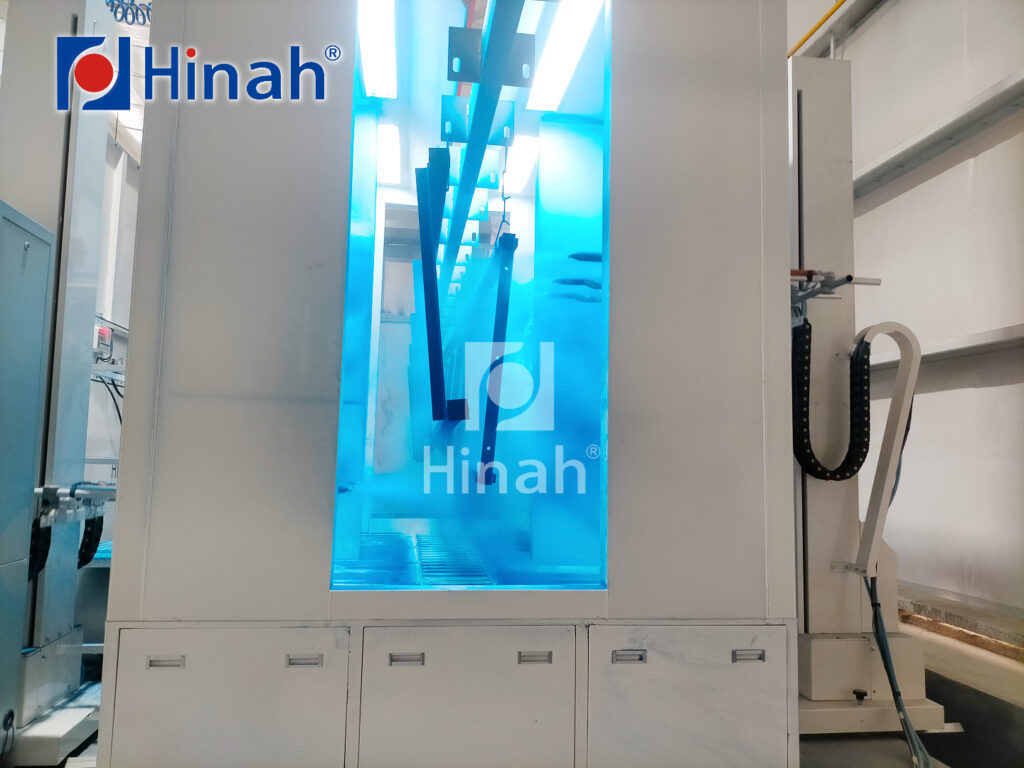
Cross-contamination between colors is one of the most frustrating problems in an automatic powder coating line. A small amount of leftover powder can create visible spots, color variation, or surface defects on the next batch. The problem becomes more serious when a factory changes colors several times a day. In most cases, contamination does not […]
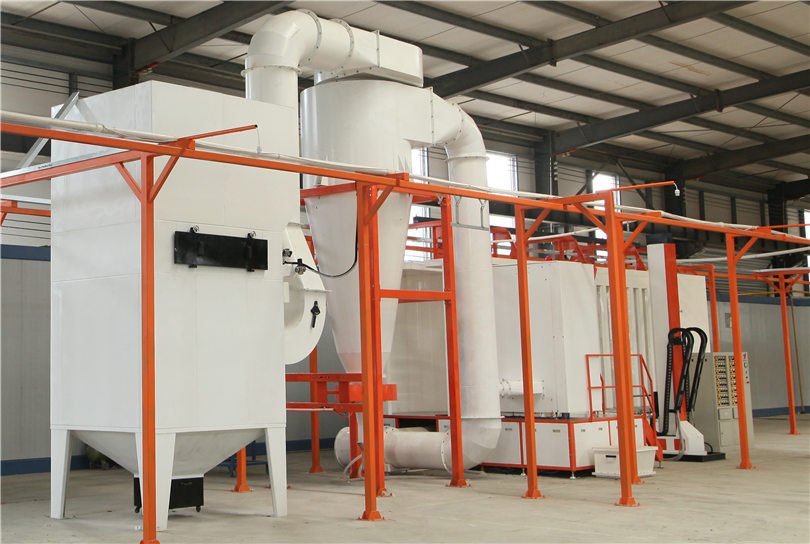
Cyclone vs. Cartridge Recovery: Which Powder Coating Booth Is Better?
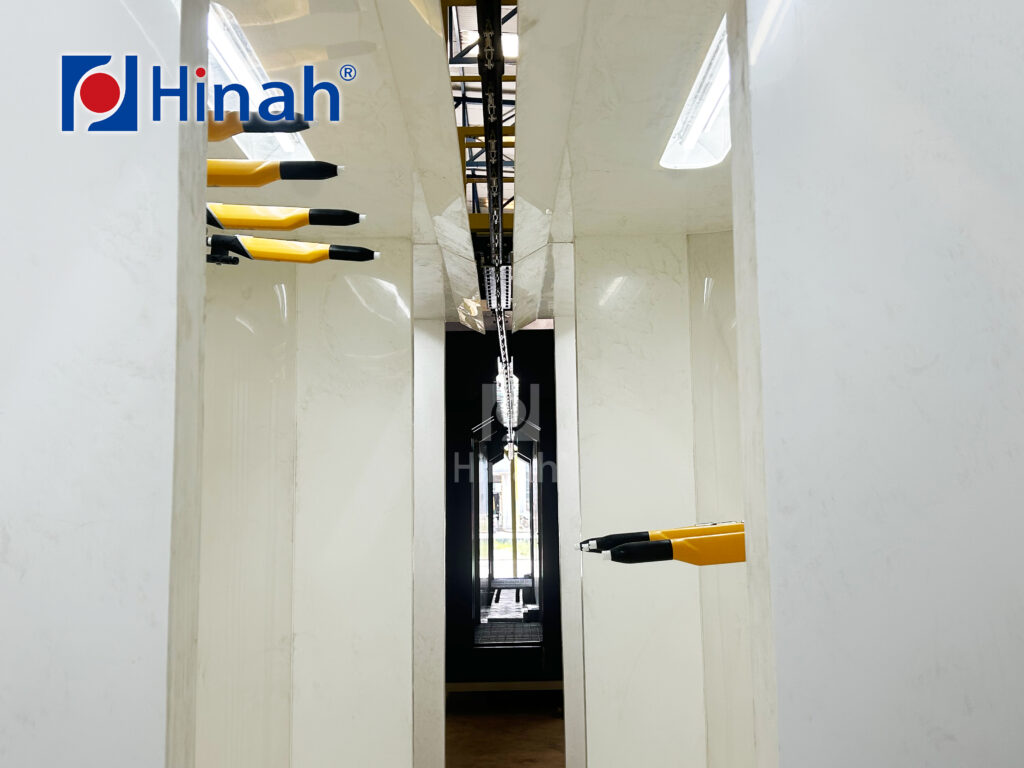
Choosing a recovery system is one of the most important decisions when planning a powder coating booth. The recovery method affects color change, powder reuse, airflow, cleaning work, and overall booth performance. For most powder coating operations, the choice comes down to two common options: cyclone recovery and cartridge filter recovery. Neither system is automatically […]
How Do I Solve Color Change Problems in Automated Powder Coating?
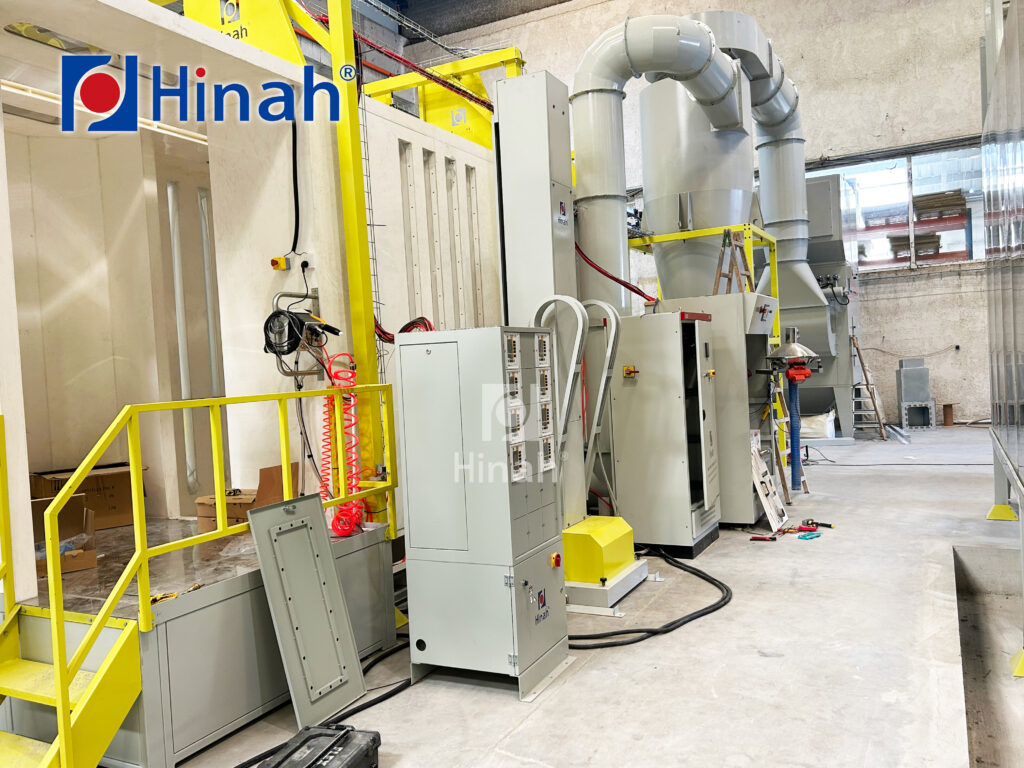
Color change is one of the biggest challenges in an automated powder coating system, especially for factories that handle multiple products or frequent color switching. If powder residue remains in the booth, recovery system, spray guns, or hoses, it can cause color contamination and affect final coating quality. To solve color change problems, you need […]
Powder Coating Line Technology Trends in 2026: Shaping the Future of Coating
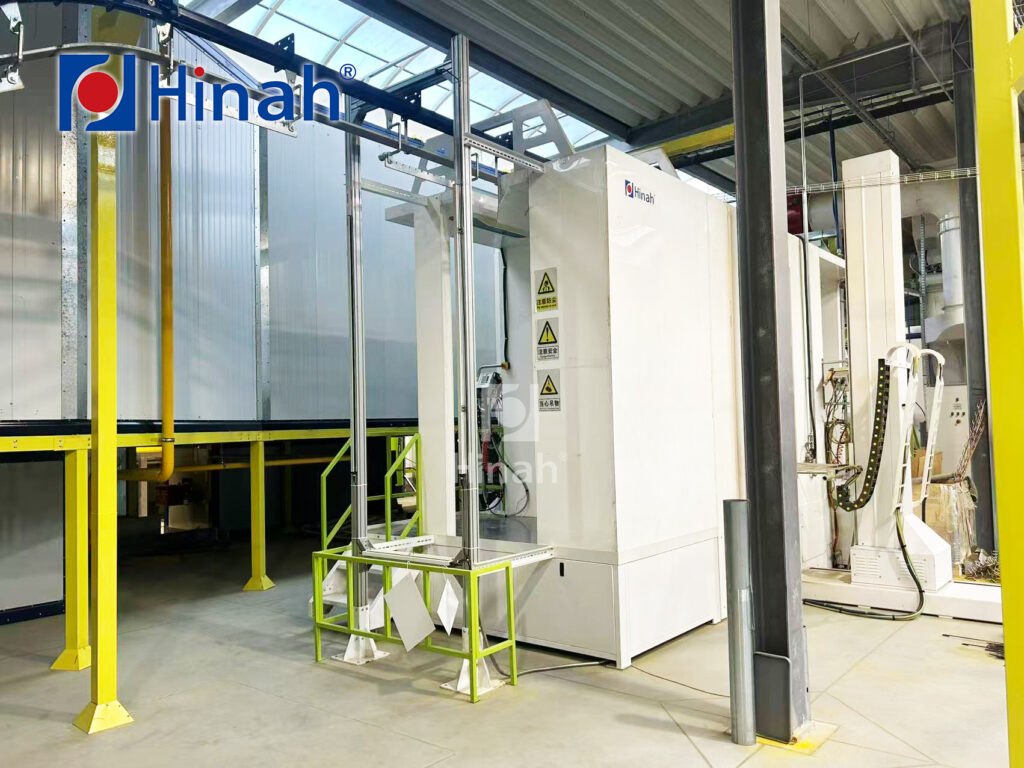
Over the past few years, powder coating line production has changed significantly. Many factories are no longer satisfied with simply increasing spraying speed. They are looking for more precise control, better powder utilization, smarter production processes, and more flexible factory layouts. As product types become more diverse, traditional coating methods face new challenges. Different workpiece […]
Why Is My Liquid Coating Line Consuming Too Much Paint?
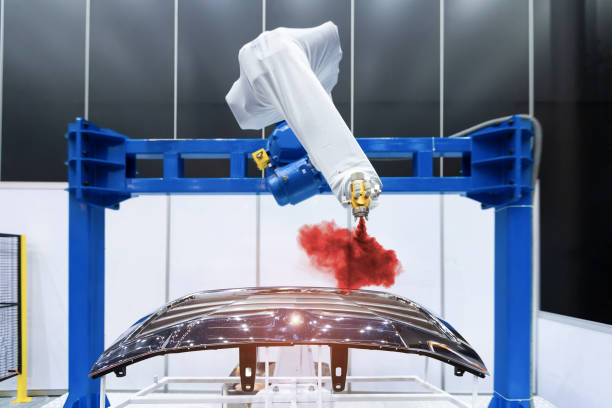
If your liquid coating line is using more paint than expected, the problem is usually related to the spraying process rather than the paint itself. Incorrect spray parameters, unstable paint conditions, excessive overspray, and equipment issues can all increase paint consumption while creating coating defects. In many cases, the extra paint does not improve the […]
Is There a Powder Coating Line System Designed for Frequent Color Changes?
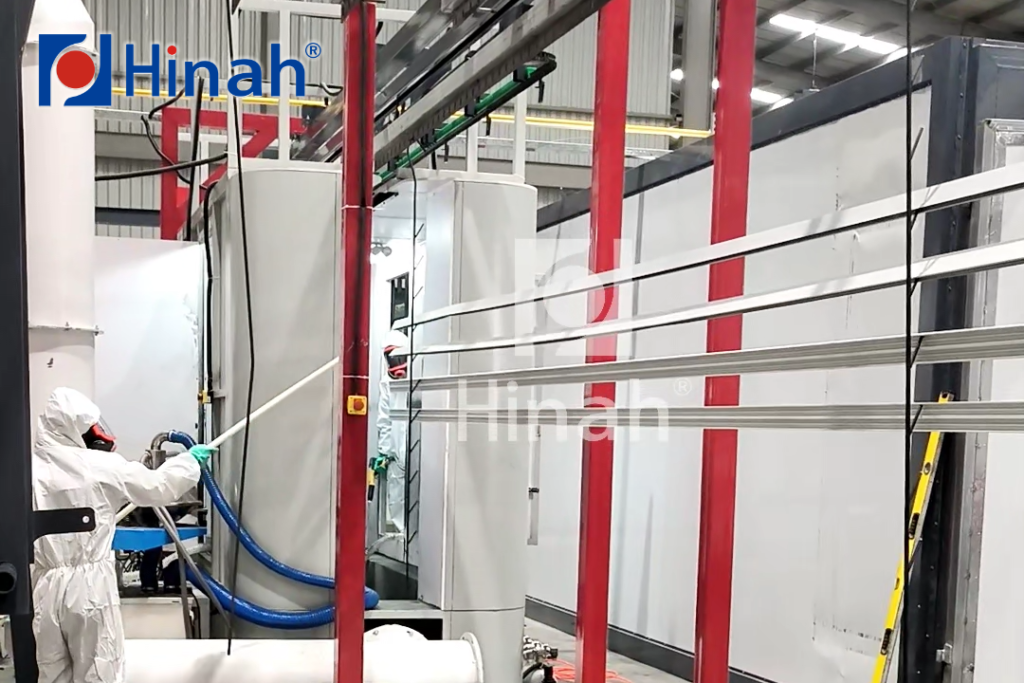
For many aluminum profile manufacturers, color flexibility has become just as important as production capacity. A few years ago, most factories focused on large-volume orders in a limited number of colors. Today, the market looks very different. Customers often request smaller batches, customized finishes, and shorter delivery times. As a result, production teams may need […]
How Can Aluminum Powder Coating Line Achieve Zero Wastewater Treatment?
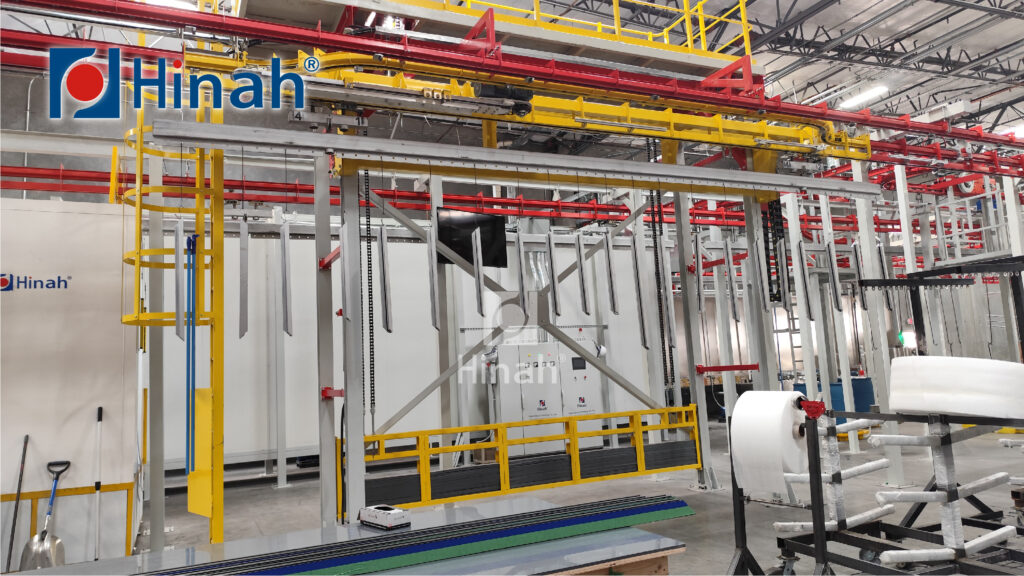
If you operate an aluminum powder coating line, you face a massive environmental challenge today. Environmental regulations are becoming tighter every year, and wastewater disposal costs are skyrocketing. If you run a large-scale manufacturing plant, you know how difficult and expensive it is to manage the waste chemical streams from your pretreatment stages. But what […]
2026 Industry Criteria: Judge The Quality of Automated Powder Coating Line Easily
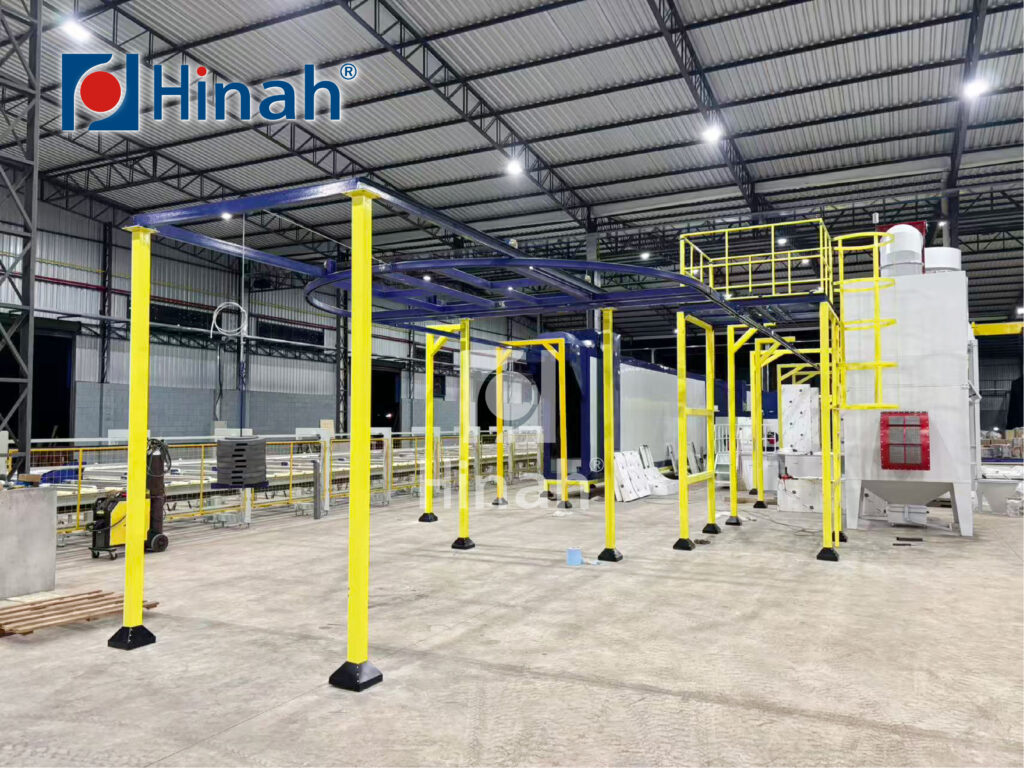
When evaluating automated powder coating line for metal fabrication, automotive parts, or aluminum extrusion production, many buyers focus heavily on purchase price while overlooking the performance factors that have the biggest impact on long-term operating costs. The result is a familiar problem: equipment that looks cost-effective on paper but delivers disappointing efficiency, quality, or reliability […]
Why Does Powder Coating Line Cost More Than You Expected?
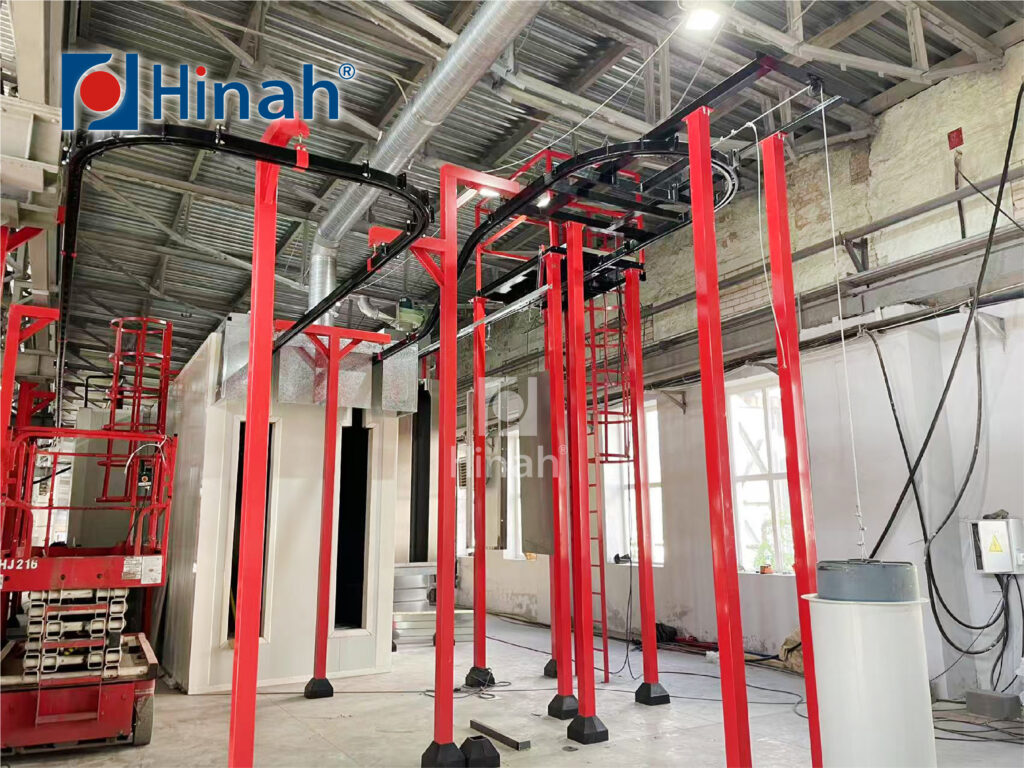
You may start your project thinking a powder coating line will cost around $50,000, only to receive quotations ranging from $150,000 to over $1 million. That price gap often feels unreasonable at first. But in most cases, the line is not “expensive” because of one machine. It becomes expensive because of everything behind the visible […]
How Long Does a Powder Coating Line Last?
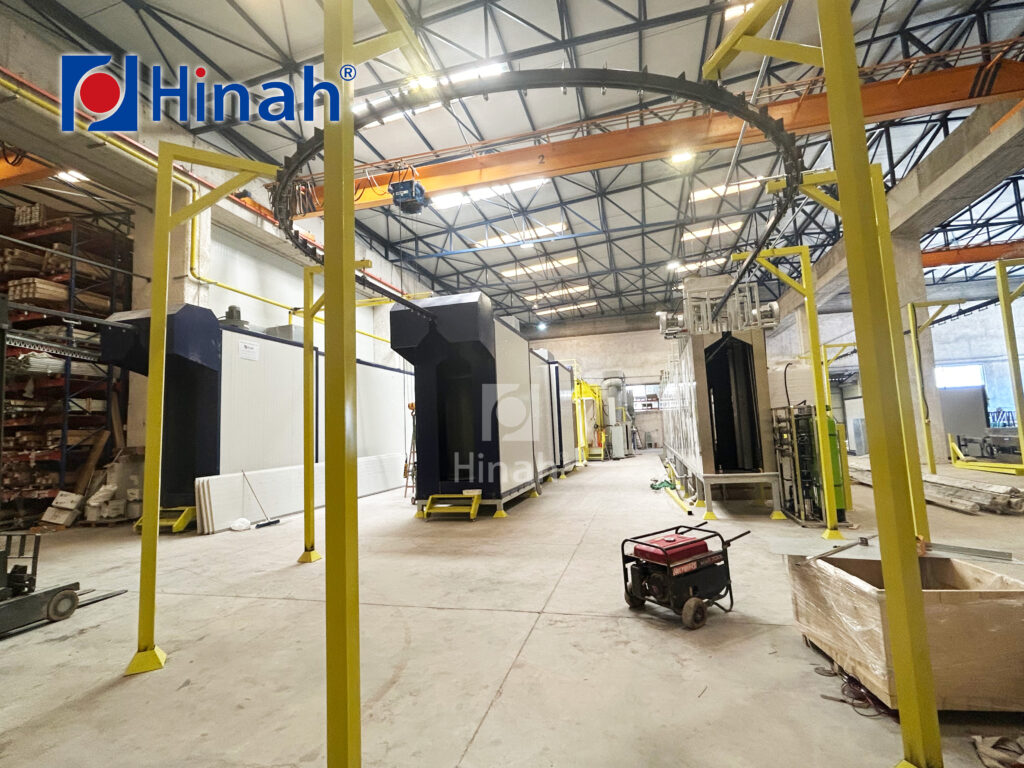
A powder coating line typically lasts 15 to 25 years. With proper maintenance, high-quality equipment can remain productive for more than 30 years. The actual lifespan depends on equipment quality, production volume, operating conditions, and maintenance practices. Most manufacturers do not replace the entire system when it ages. Instead, they replace specific components such as […]