
You may start your project thinking a powder coating line will cost around $50,000, only to receive quotations ranging from $150,000 to over $1 million. That price gap often feels unreasonable at first. But in most cases, the line is not “expensive” because of one machine. It becomes expensive because of everything behind the visible equipment.
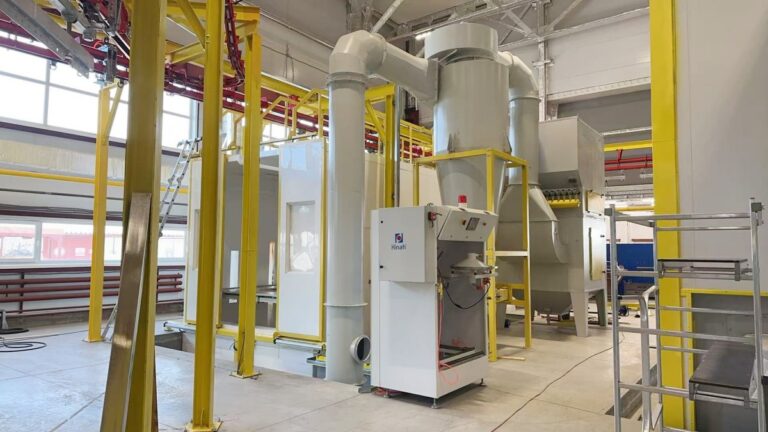
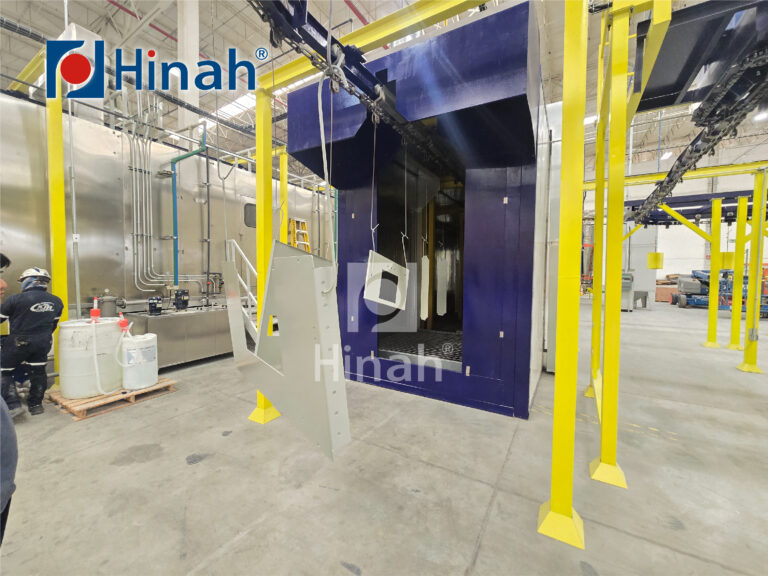
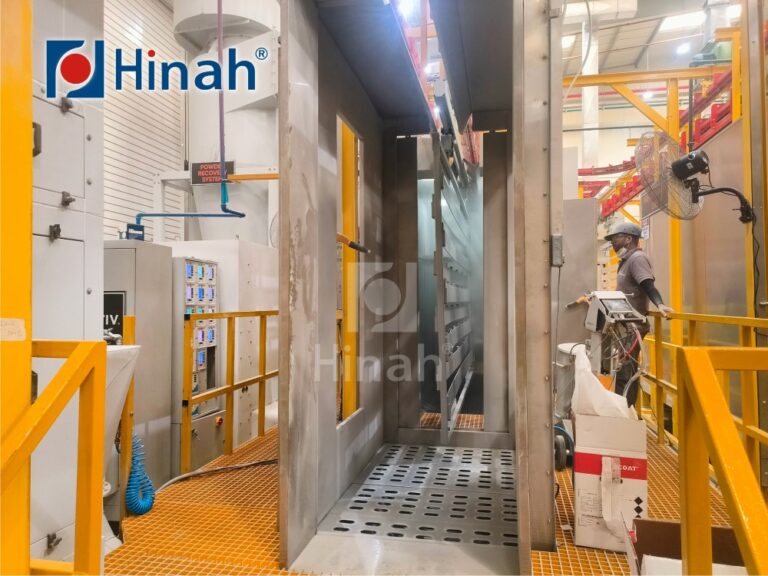
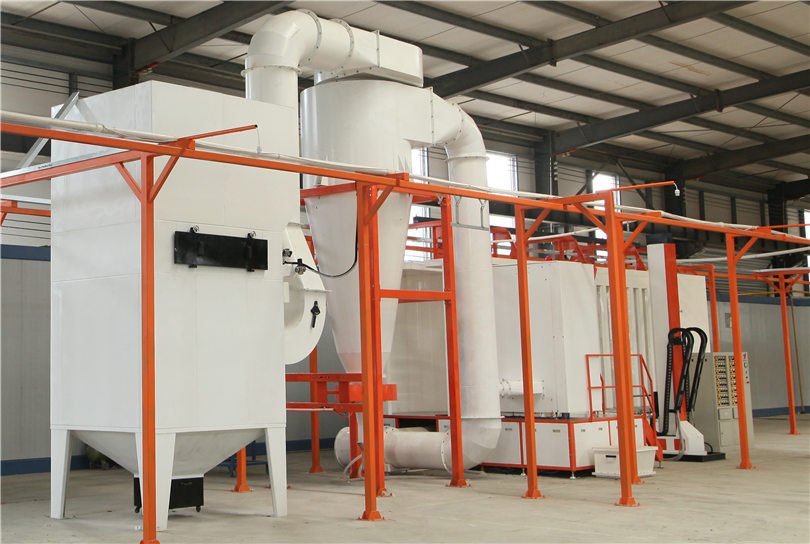
A complete system is rarely just a spray booth and an oven. It includes pretreatment, conveyors, curing, airflow management, electrical control, and often building modifications. Small design changes can quickly turn into major cost increases.
According to industry pricing from equipment suppliers and finishing contractors, a small manual line usually starts around $30,000–$80,000, while a fully automated industrial system commonly falls between $200,000 and $1.5 million+, depending on throughput and process complexity.
If your budget keeps growing during planning, these are usually the reasons.
Powder Coating System Cost Starts with Production Capacity
The biggest cost driver is capacity.
Many buyers underestimate how much throughput affects equipment size. A line designed for 200 parts per day looks completely different from one designed for 2,000.
For example, increasing line speed from 1 m/min to 3 m/min does not simply triple output. In many cases, it also requires:
- longer pretreatment zones
- larger curing ovens
- stronger exhaust systems
- higher conveyor load capacity
This creates a compounding effect on cost.
A curing oven alone can become significantly more expensive as dimensions grow. Heating a 6-meter oven versus a 20-meter oven changes not only steel usage but also burner size, insulation requirements, and energy demand.
Industry data shows industrial gas curing ovens commonly consume 80–250 kWh equivalent energy per operating hour, depending on insulation quality and production load.
That is why two lines producing similar products may still have dramatically different quotations.
Powder Coating Pretreatment Is Often Underestimated
Many first-time buyers focus heavily on spraying equipment and overlook pretreatment.
In reality, pretreatment often represents 20–35% of total line investment.
For steel parts, a full chemical pretreatment system may include:
- degreasing
- water rinsing
- phosphating
- passivation
- drying
For aluminum, chrome-free conversion or zirconium systems are increasingly common.
Each additional tank means more:
- stainless steel fabrication
- pumps
- heating systems
- wastewater treatment
Wastewater treatment is especially costly.
In the United States, industrial wastewater treatment installation can easily add $20,000–$150,000+, depending on local discharge regulations and daily water volume.
This is one reason many overseas buyers are surprised when suppliers ask detailed pretreatment questions before quoting.
They are not being difficult—they are calculating one of the largest hidden costs.
Powder Coating Conveyor Design Changes Everything
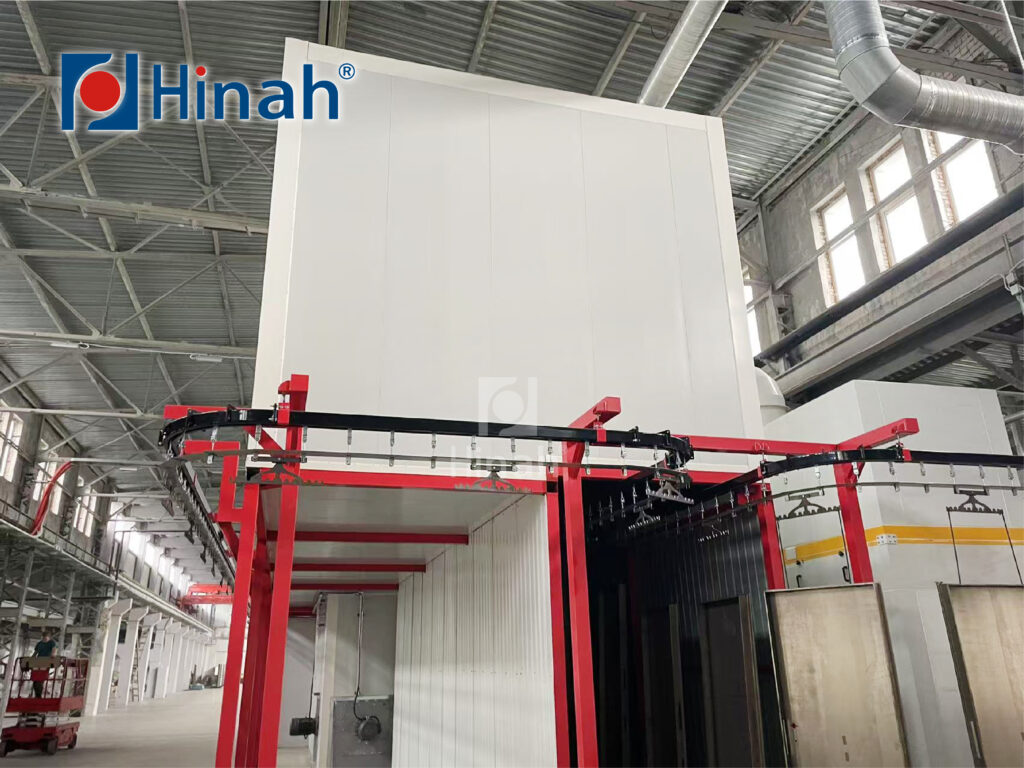
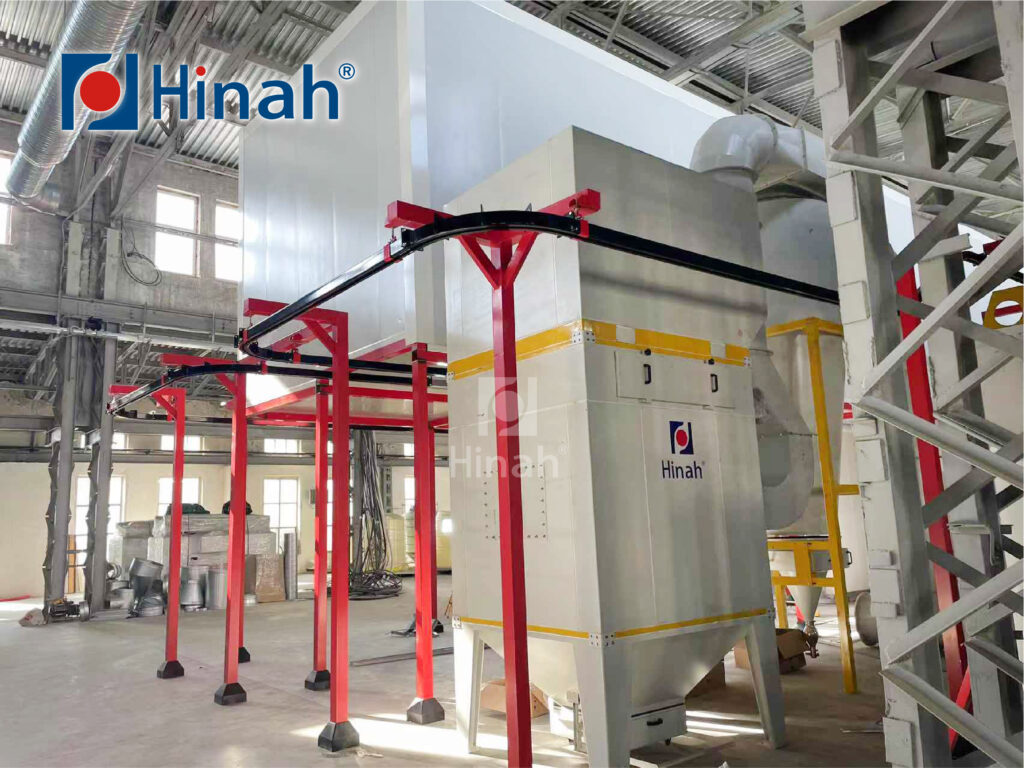
Conveyor cost is another major variable.
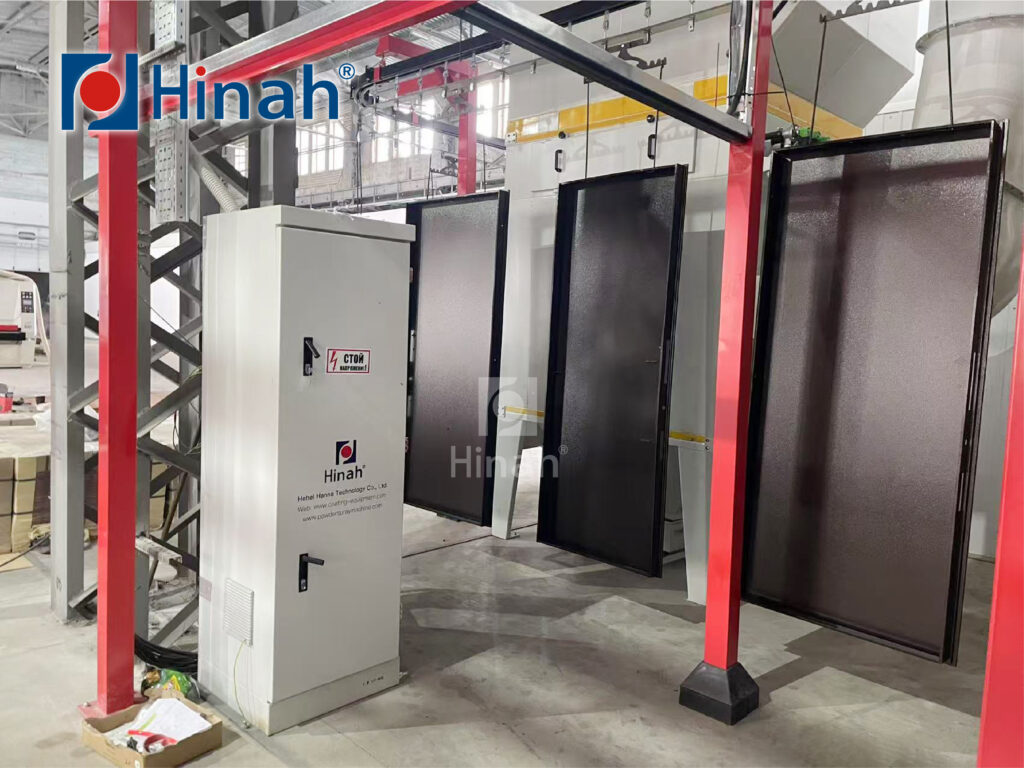
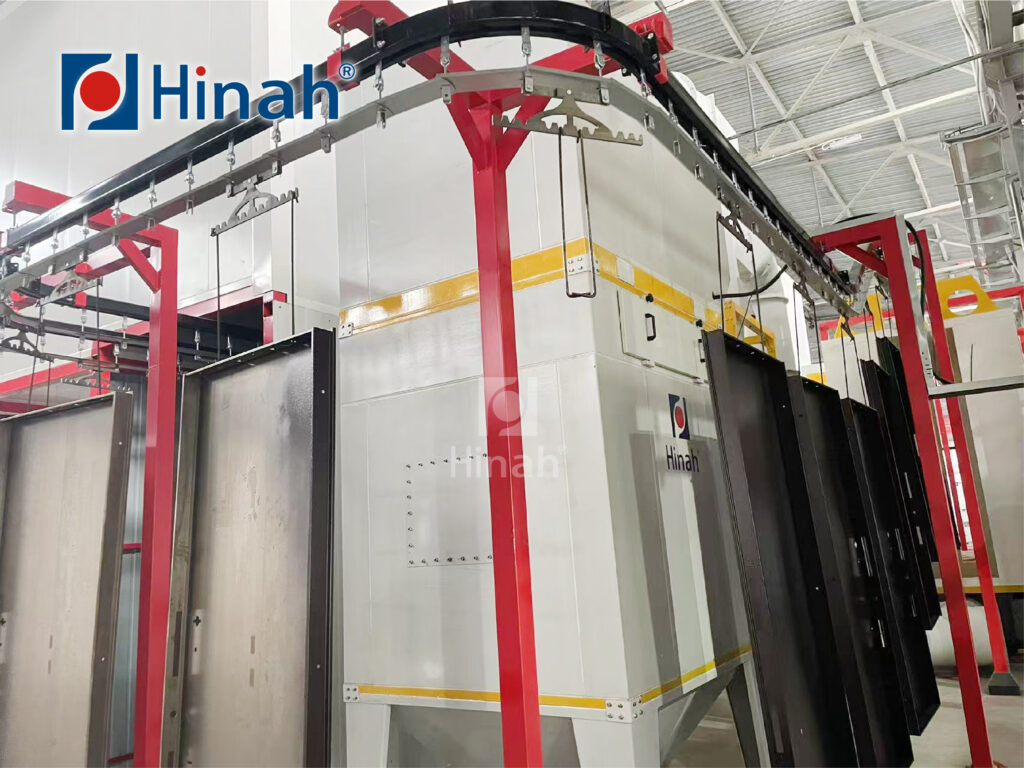
A simple manual sliding rail costs far less than an overhead automatic conveyor. But once automation becomes necessary, cost rises quickly.
Common conveyor options include:
- monorail systems
- power & free systems
- chain conveyors
- accumulation conveyors
A heavy-duty overhead conveyor can account for 15–30% of total equipment cost.
Load requirements matter more than many buyers expect.
Consider this example:
- Workpiece weight: 80 kg
- Hanging fixture: 20 kg
- Safety factor: 1.5×
Your conveyor may need to handle 150 kg+ per carrier continuously.
That affects chain selection, motor power, support structure, and maintenance intervals.
Longer lines also need more lubrication points and wear-resistant components, which raises lifecycle cost.
Powder Coating Line Energy Costs Add Up Faster Than Equipment Costs
Many buyers focus only on purchase price.
Operating cost can become a bigger problem.
Energy consumption mainly comes from:
- curing ovens
- drying ovens
- exhaust fans
- compressed air systems
Compressed air is often ignored.
Yet powder spray systems usually require stable air pressure around 6–8 bar. According to industrial compressor studies, compressed air can represent 10–15% of a manufacturing facility’s electricity bill.
Natural gas prices also affect long-term operating cost.
In 2025, industrial natural gas prices in many regions fluctuated between $3–$6 per MMBtu, while electricity costs for industrial users ranged roughly $0.08–$0.25 per kWh, depending on region and contract structure.
This means a cheaper line with poor insulation may cost far more over five years.
That is why experienced buyers ask about energy efficiency, not just initial price.
Powder Coating System Customization Creates Hidden Engineering Costs
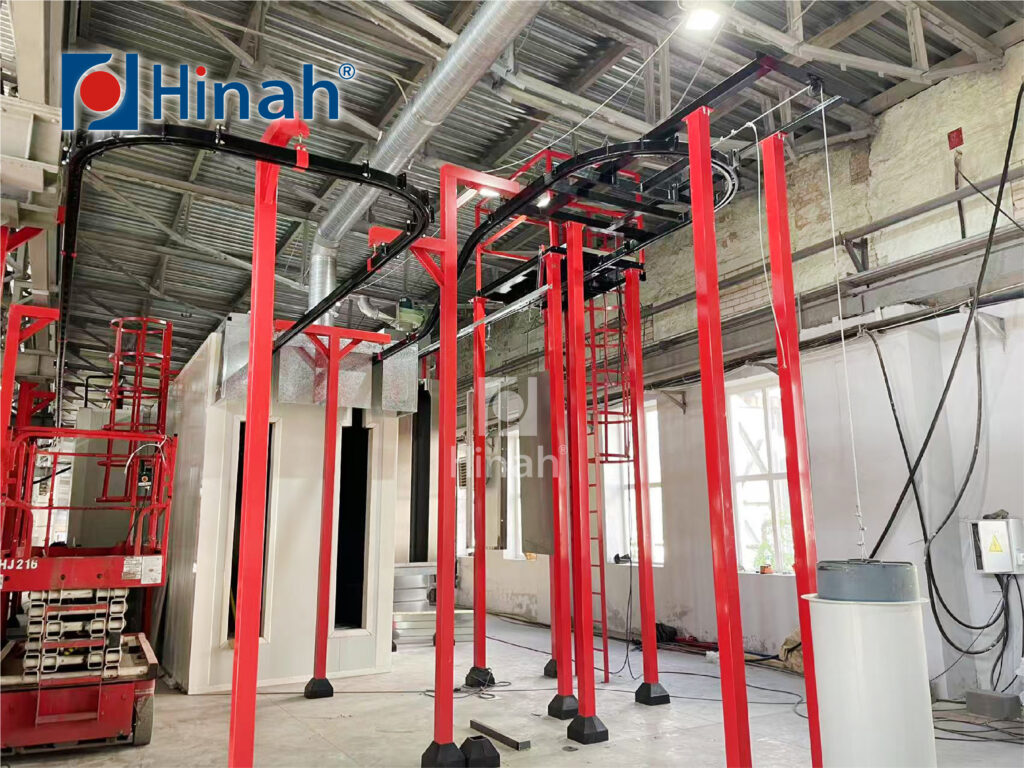
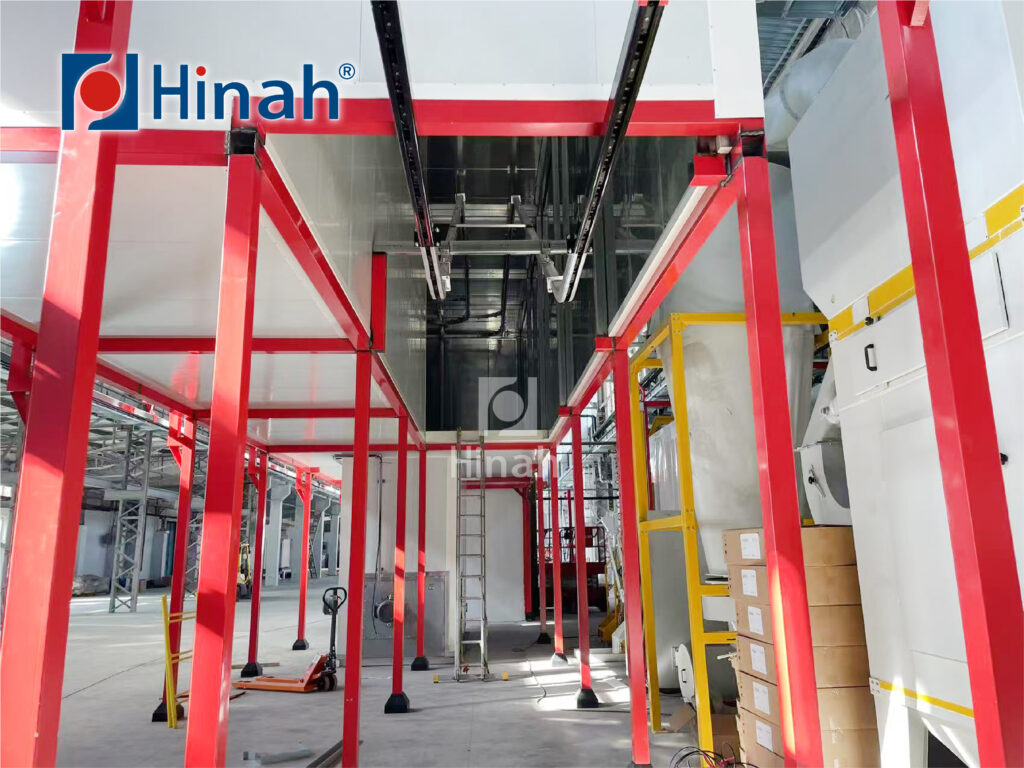
Standard designs are affordable.
Customization changes everything.
Costs rise when you request:
- oversized workpieces
- robotic spraying
- color change systems
- clean-room standards
- explosion-proof electrical components
Even simple dimensional changes can trigger engineering redesign.
For example, handling long aluminum profiles may require:
- special hanging fixtures
- anti-sway conveyor design
- airflow adjustments in spray booth
These are engineering hours, not just hardware.
Engineering labor is expensive globally. In industrial automation markets, custom system engineering can account for 10–20% of total project cost.
This part is often invisible in quotations, but it is there.
Installation and Logistics Are Common Budget Killers
The final surprise usually comes after purchase.
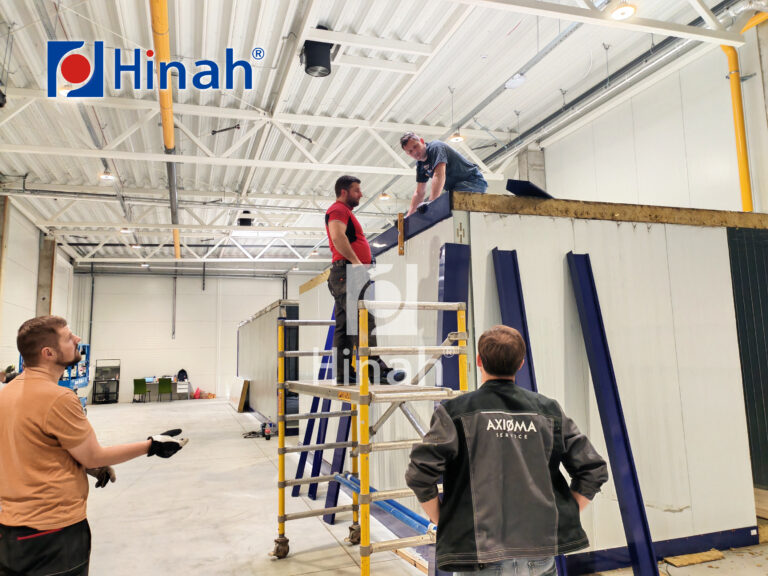
Installation, shipping, and commissioning are frequently excluded from base quotations.
International freight alone can fluctuate heavily.
A full industrial line may require multiple containers or oversized cargo shipments. Freight rates that were around $2,000–$4,000 per container in stable periods have surged several times higher during supply chain disruptions.
Then comes installation.
Typical installation costs include:
- civil foundation work
- crane rental
- electrical wiring
- gas piping
- commissioning labor
Installation commonly adds 10–25% of total project budget.
This is where many projects exceed original expectations.
Final Thoughts on Powder Coating Line Budget Planning
If your powder coating line costs more than expected, the reason is usually not supplier markup.
More often, the real cost comes from system complexity.
Capacity, pretreatment, conveyor design, energy demand, customization, and installation all push the budget upward. Each factor alone may look manageable, but together they change the economics of the entire project.
A better question is not simply:
“How much does the line cost?”
Instead, ask:
“What production problem am I solving, and what system do I truly need?”
That question usually leads to a far more accurate budget—and far fewer surprises.