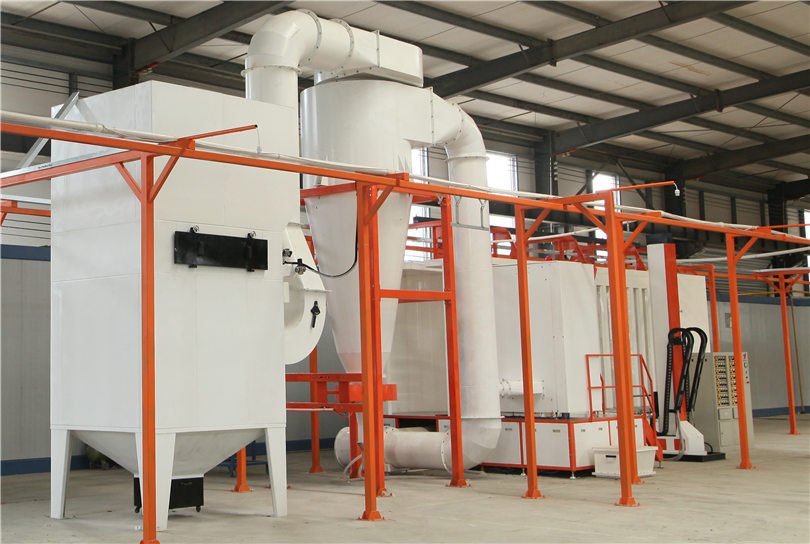

When evaluating automated powder coating line for metal fabrication, automotive parts, or aluminum extrusion production, many buyers focus heavily on purchase price while overlooking the performance factors that have the biggest impact on long-term operating costs. The result is a familiar problem: equipment that looks cost-effective on paper but delivers disappointing efficiency, quality, or reliability once it enters production.
So how can we separate marketing claims from real-world performance?
Based on third-party testing data and production records collected from operating factories throughout 2026, this guide introduces five practical benchmarks for assessing finishing equipment quality. These standards can be applied during supplier visits, equipment trials, or final acceptance inspections, making them useful for procurement teams, plant managers, and production supervisors alike.
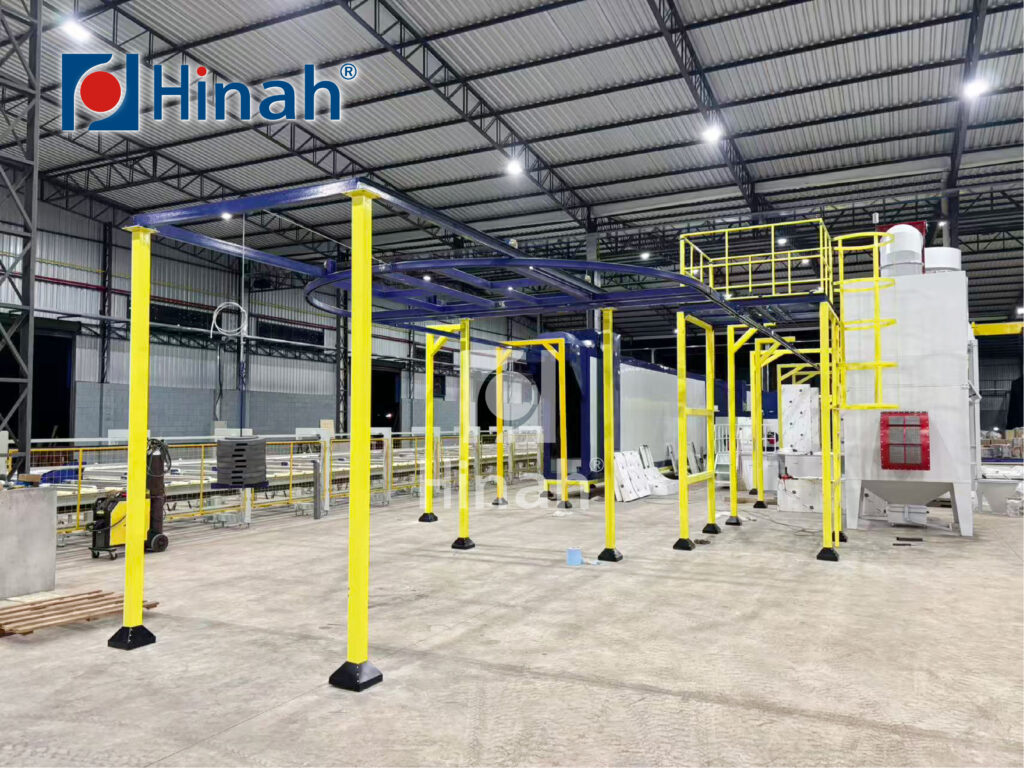
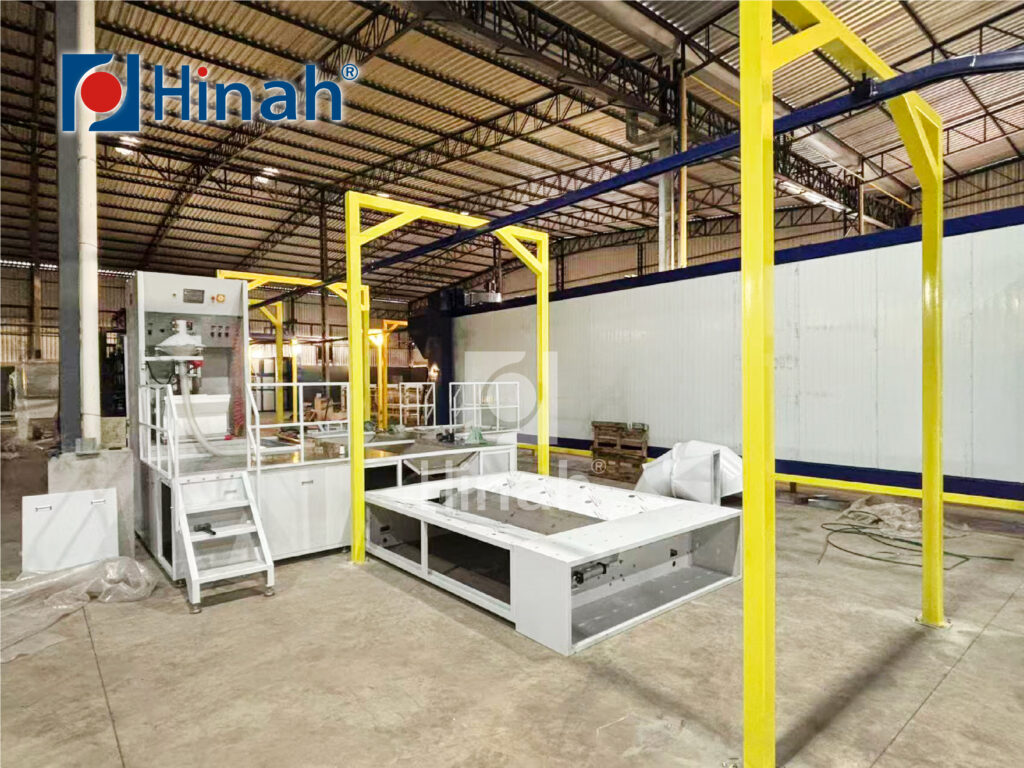
Core Performance Metrics to Test Automated Powder Coating Line On-Site
The fastest way to separate budget units from premium industrial equipment is testing five live operating metrics, all measurable within an hour of a trial run. The table below contrasts minimum acceptable industry standards against top-tier stable performance, covering powder waste, curing consistency, coating uniformity and other factors that directly shape monthly production costs.
Testing Index | General Standard Equipment | High-Quality Industrial Equipment | Simple On-Site Test Method |
Total powder recovery rate | 85%–92% | ≥97% | Capture recycled powder over a 4-hour continuous shift, calculate waste percentage |
Oven internal temperature deviation | ±10℃ | ≤±5℃ | Log readings from 9 fixed points across the oven over an 8-hour production cycle |
Dry film thickness fluctuation | ±12μm | ±4μm | Take measurements at 5 spots on each workpiece, sample 30 random finished parts daily |
Full color switch downtime | 30–40 mins | ≤10 mins | Time the full booth cleaning and parameter reset process between two distinct colors |
Average uninterrupted running hours between maintenance | 1,500h | ≥3,200h | Cross-reference manufacturer maintenance logs and client after-sales records |
Data collected from 117 factory operators in 2026 shows equipment hitting the high-performance benchmarks cuts monthly powder spending by an average of 16%. It also slashes daily rework and inspection labor workload by roughly 20%. Many low-cost machines advertise impressive recovery rates on catalogs, yet their basic single-stage filter systems struggle to sustain consistent results after just two weeks of daily heavy shifts.
Structural Integrity and Control System Stability
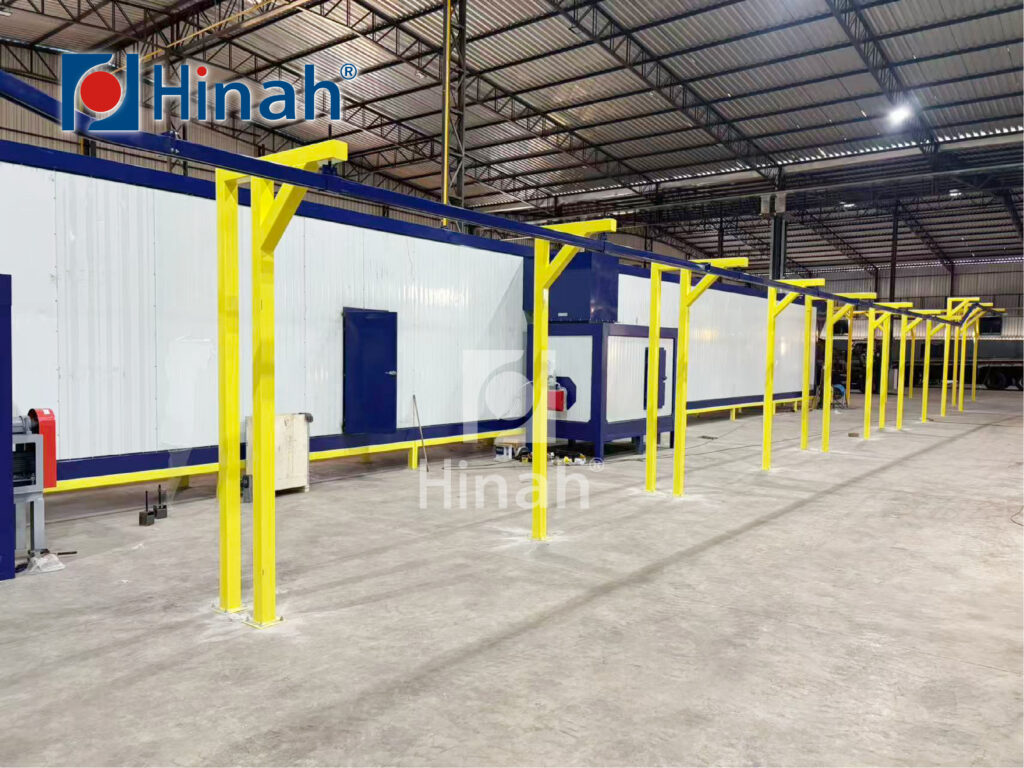
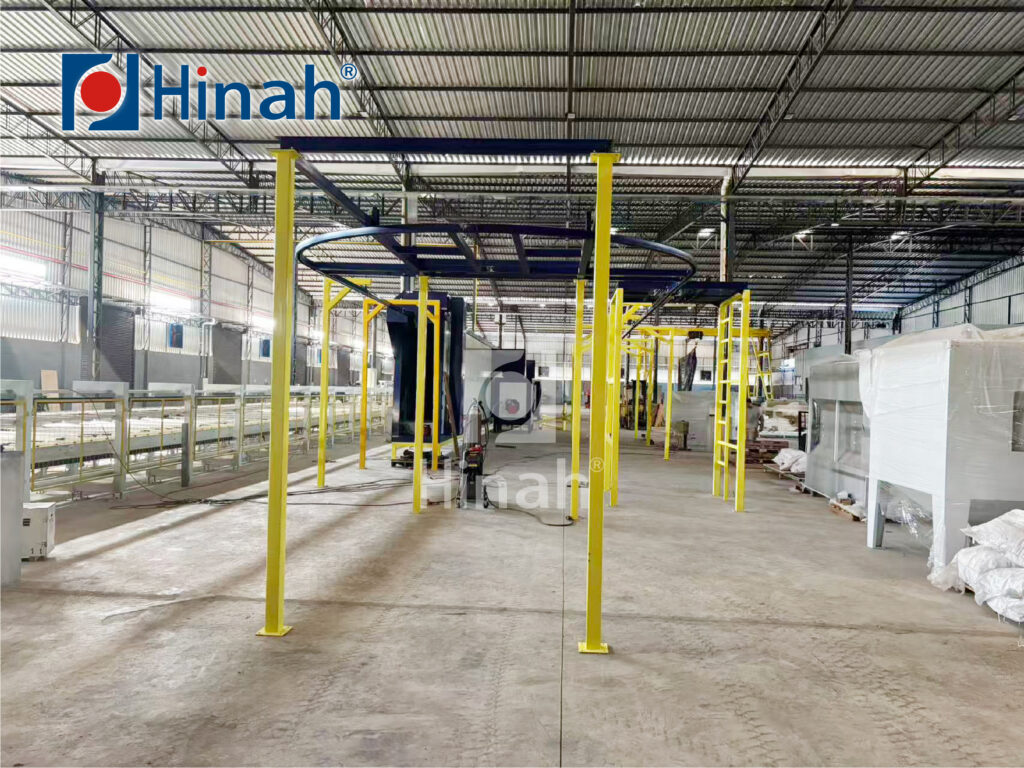
Beyond performance metrics, the long-term reliability of an automated powder coating line largely depends on its structural design and control system quality. Even when two systems deliver similar coating results during initial testing, differences in construction standards often become apparent after months of continuous production.
Two practical checks can quickly reveal potential weaknesses. First, evaluate conveyor positioning accuracy. Poorly aligned tracks or insufficient structural rigidity can cause inconsistent part movement through the spray zone, resulting in uneven coating thickness and inadequate edge coverage. For manufacturers producing precision metal components, such inconsistencies can significantly increase rejection rates.
Second, examine the PLC control system. A well-designed automated powder coating line should automatically adjust electrostatic parameters according to part geometry and production requirements. Advanced control logic helps maintain coating consistency on recessed surfaces, corners, and complex workpieces. In contrast, basic systems often rely on fixed voltage settings, limiting their ability to handle varying product designs efficiently.
According to maintenance records collected from operating facilities, systems built with thin galvanized frames and poor welding quality frequently require filter, roller, and conveyor maintenance every 30 days. Equipment constructed with heavy-duty sealed steel frames typically extends maintenance intervals to 90 days or longer, reducing downtime and maintenance costs.
Environmental Compliance and Energy Efficiency Benchmarks
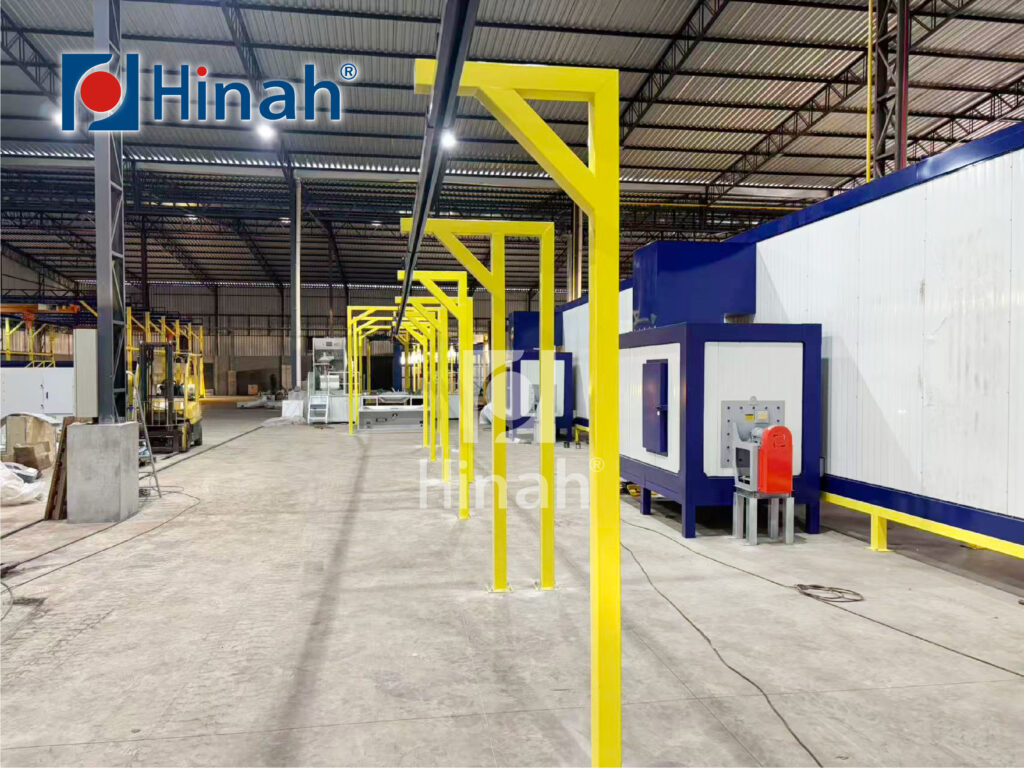
Environmental compliance has become a critical factor when evaluating an automated powder coating line, particularly for manufacturers exporting products to North America and Europe. Increasingly stringent environmental regulations mean that inadequate filtration and energy management systems can create both operational and commercial risks.
A properly engineered automated powder coating line should maintain airborne powder concentrations below 10 mg/m³ within the production area. High-efficiency recovery and filtration systems not only improve workplace safety but also help manufacturers meet environmental audit requirements and customer compliance standards.
Energy consumption is another important benchmark. Premium systems often incorporate heat recovery technology that captures waste heat from the curing oven and redirects it back into the production process. This significantly reduces overall energy demand without compromising coating quality.
Field data collected from production facilities shows that conventional lines without heat recovery typically consume between 0.35 and 0.42 kWh of electricity per square meter of coated surface. By comparison, an automated powder coating line equipped with cross-flow heat exchangers can reduce consumption to approximately 0.22–0.28 kWh/m². In many cases, the resulting energy savings can recover 15–20% of the initial equipment investment within the first two years of operation.
After-Sales Service and Acceptance Verification
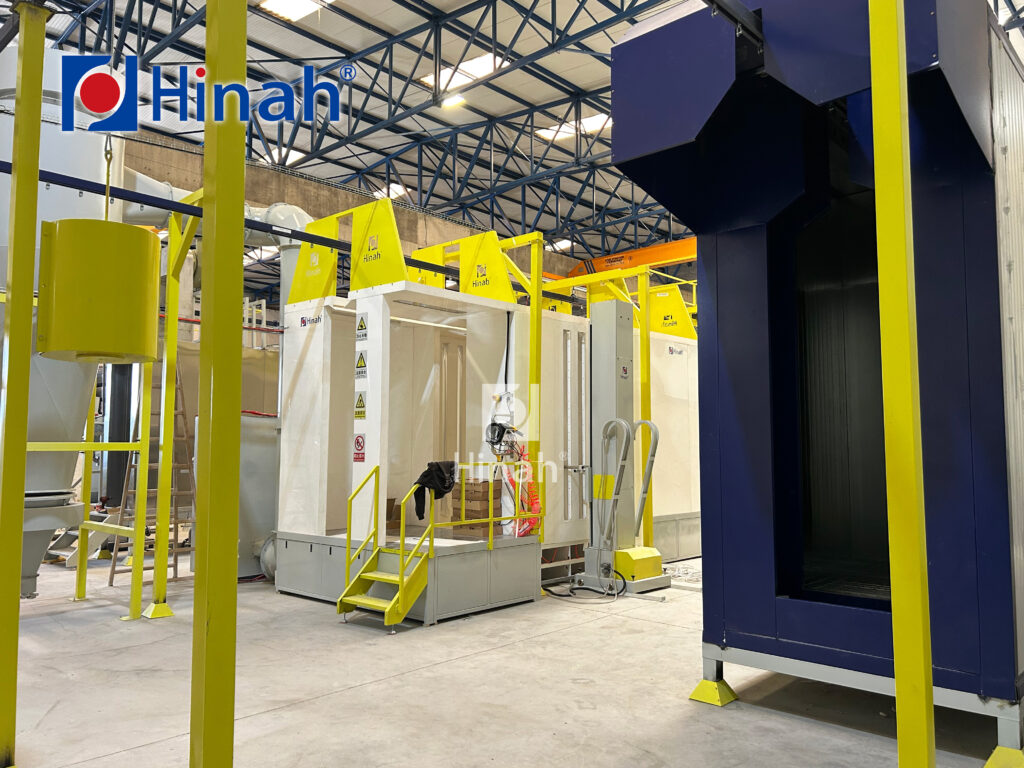
Selecting an automated powder coating line involves more than evaluating technical specifications. Long-term performance also depends on the supplier’s ability to provide timely technical support and ongoing service.
Reputable manufacturers typically offer 24/7 remote diagnostics, parameter optimization assistance, and rapid-response field service. For international customers, on-site commissioning and calibration support within 48 hours can significantly reduce production disruptions and startup risks.
During contract negotiations, buyers should ensure that all key performance indicators—including powder recovery efficiency, temperature control accuracy, conveyor stability, and energy consumption—are clearly defined as acceptance criteria. Relying solely on visual inspection of coated products during final acceptance may overlook operational issues that become costly after full-scale production begins.
Conclusion
As competition continues to intensify across the global surface finishing industry, the quality of an automated powder coating line has a direct impact on production efficiency, coating consistency, operating costs, and regulatory compliance. While purchase price remains an important consideration, long-term value is determined by measurable performance indicators rather than sales presentations or brochure specifications.
By evaluating powder recovery efficiency, curing temperature stability, structural durability, energy consumption, and supplier support capabilities, procurement teams can make more informed purchasing decisions. A high-quality automated powder coating line delivers consistent coating performance, lower operating costs, reduced maintenance requirements, and stronger long-term returns on investment—helping manufacturers avoid the hidden costs often associated with lower-priced equipment.