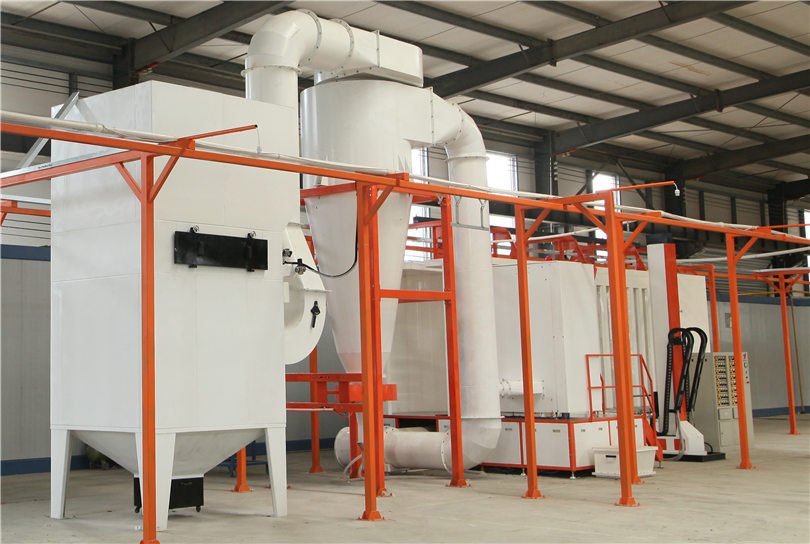

Whether you are manufacturing server racks, electrical enclosures, or steel office furniture, the final look and durability of your metal cabinets depend entirely on your powder coating line. Buyers expect a flawless, heavy-duty finish that resists scratches and corrosion.
However, running a smooth coating operation is easier said than done. Many factory owners and workshop managers struggle with sudden quality drops, high reject rates, and unexpected production bottlenecks.
Why do these issues keep happening? Here we will break down the major pain points that metal cabinet powder coating lines face and look at what exactly causes them.
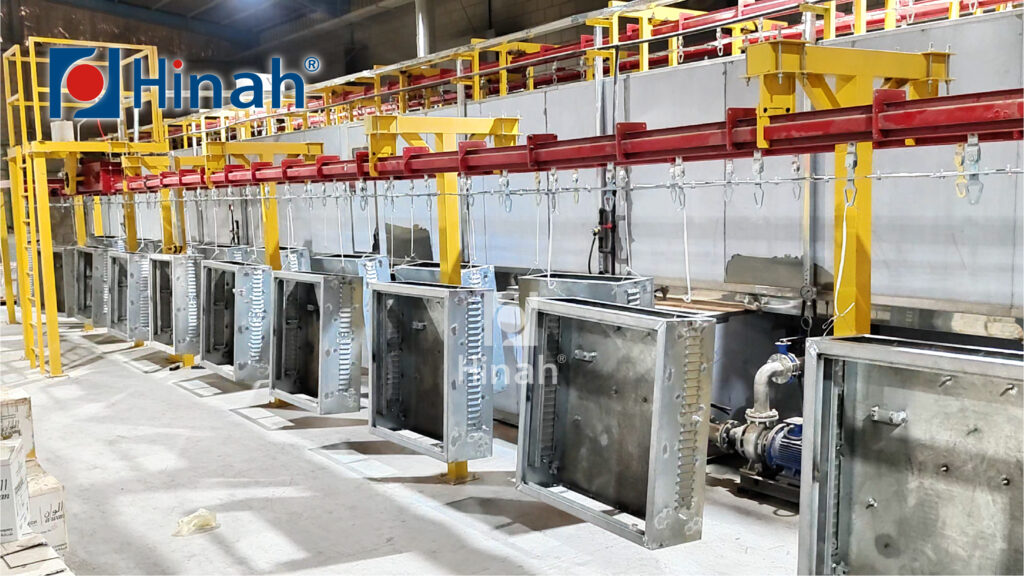
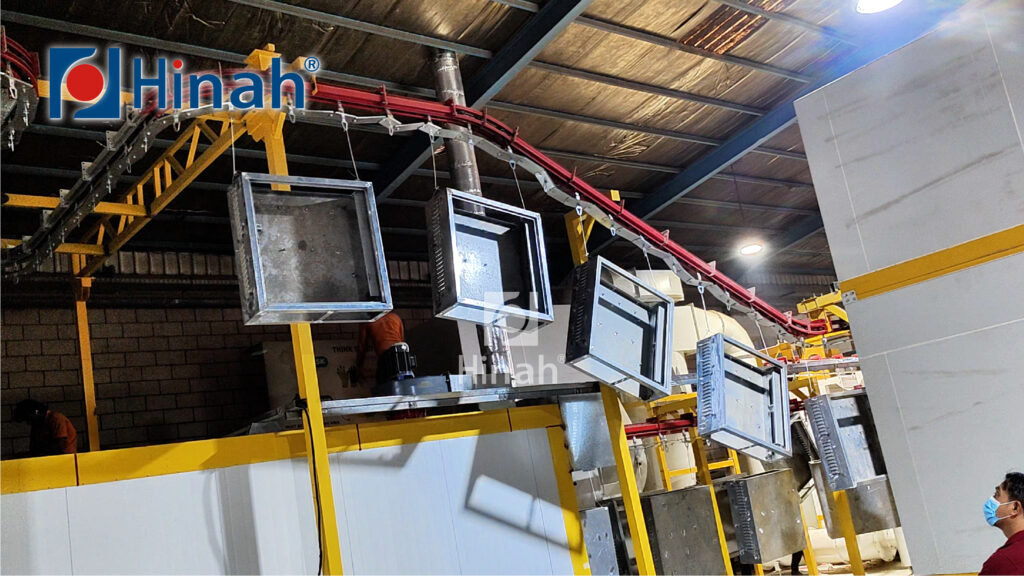
The Battle Against Orange Peel and Particles
Nothing ruins the premium look of a metal cabinet faster than a rough, uneven finish. When cabinets come out of the curing oven, operators often notice two major surface defects: severe orange peel texture and tiny, gritty particle clusters. Instead of a sleek, professional surface, the cabinet ends up looking cheap and poorly made.
These surface issues usually come down to two main root causes:
Poor Pre-treatment Cleaning: If workers do not clean the raw metal sheets thoroughly, problems start before the spray guns even turn on. Laser cutting and welding leave behind microscopic metal dust, burrs, and deep scratches. If the cleaning line fails to wash away these particles, the powder sticks to them and creates permanent bumps.
Bad Powder Atomization: When the painting equipment cannot mix the powder with air smoothly, the guns spit out large clumps instead of a fine mist. Unstable voltage on the electrostatic guns also forces the powder to pile up unevenly on the flat panels.
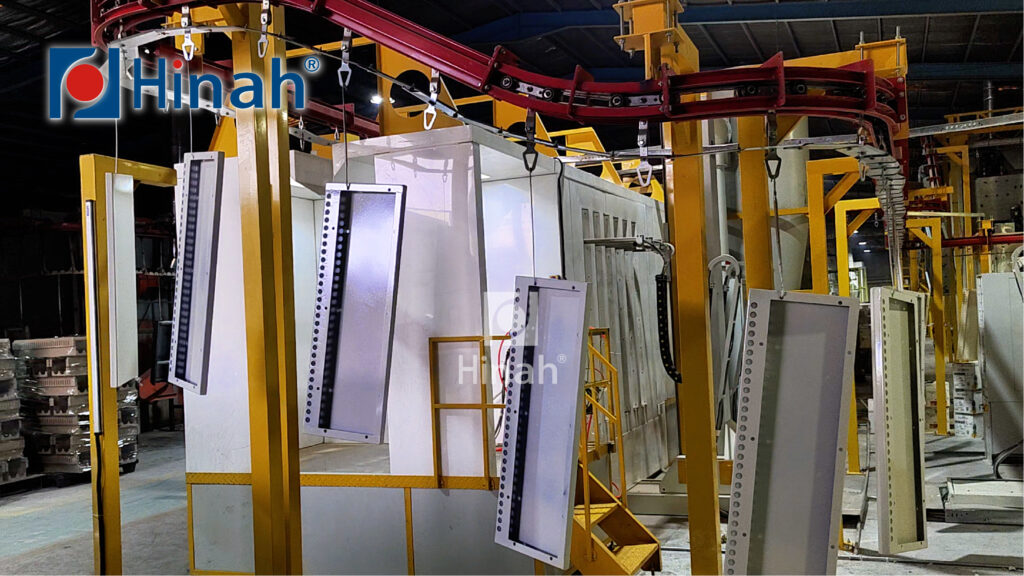
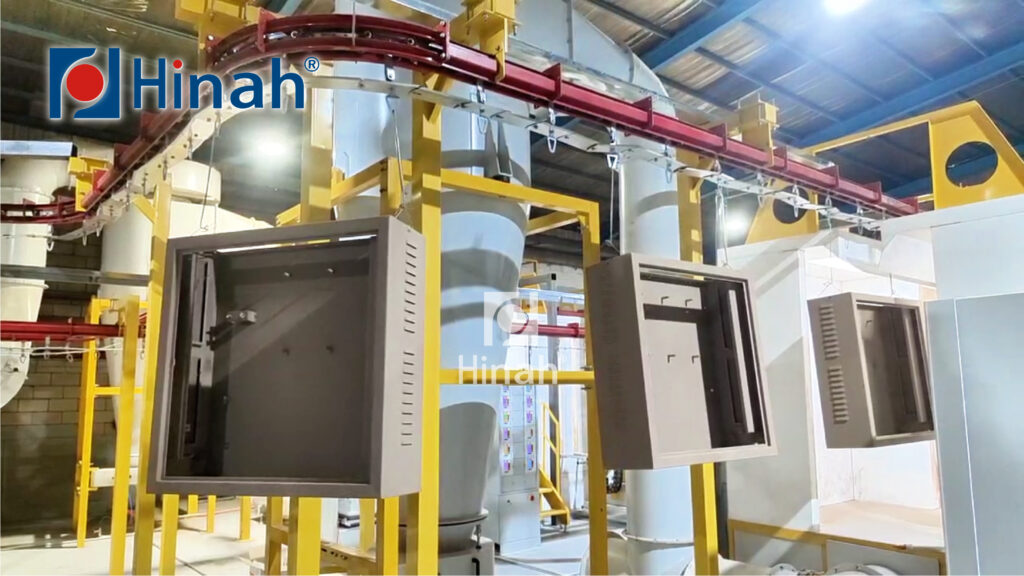
Inconsistent Color and Gloss Across Batches
When customers order a set of server racks or modular office cabinets, they expect every single panel to match perfectly. However, many factories face a frustrating issue: components from the same production run, or different doors belonging to the exact same cabinet, come out with noticeable differences in color shade or gloss level. When you assemble these pieces, the visual mismatch makes the entire product look low-tier and unprofessional.
This color shifting in powder coating line typically happens because of three main factors:
Unstable Baking Temperatures: Curing ovens must maintain an absolutely uniformtemperature. If the front of the oven reaches 200°C (392° F) but the back drops to 180°C (356° F), the powder on different cabinets will bake differently. Under-baking or over-bakingchanges both the chemical color and the final gloss level.
Fluctuating Workshop Environments: Powder coatings are highly sensitive to temperature and humidity. If the spray booth area gets too damp or too hot between the morning shift and the night shift, it changes how the powder picks up the electrostatic charge. This leads to uneven film thickness across different batches.
Low-End Coating Guns: Cheap spray guns often suffer from unstable powder feeding speeds. When a gun spits out a thick layer of powder on one panel and a thin layer on the next, the final cured surfaces will never match in gloss or shade.
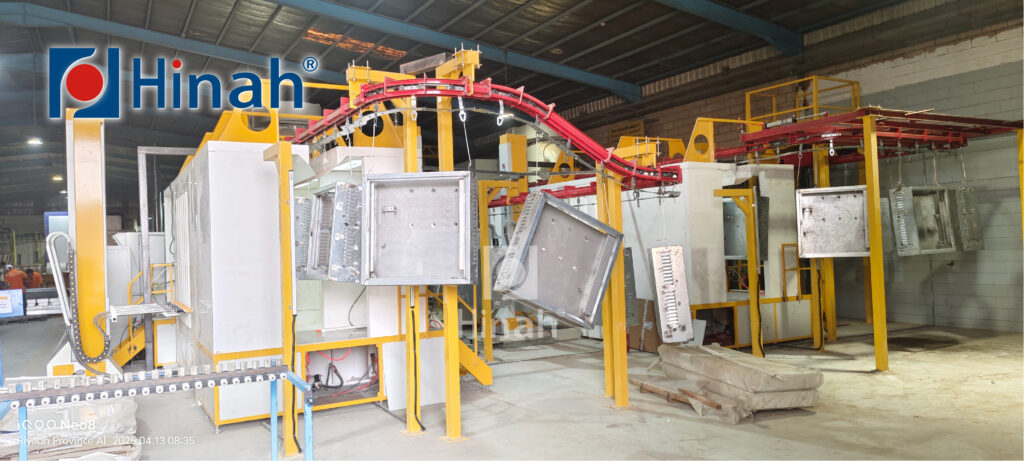
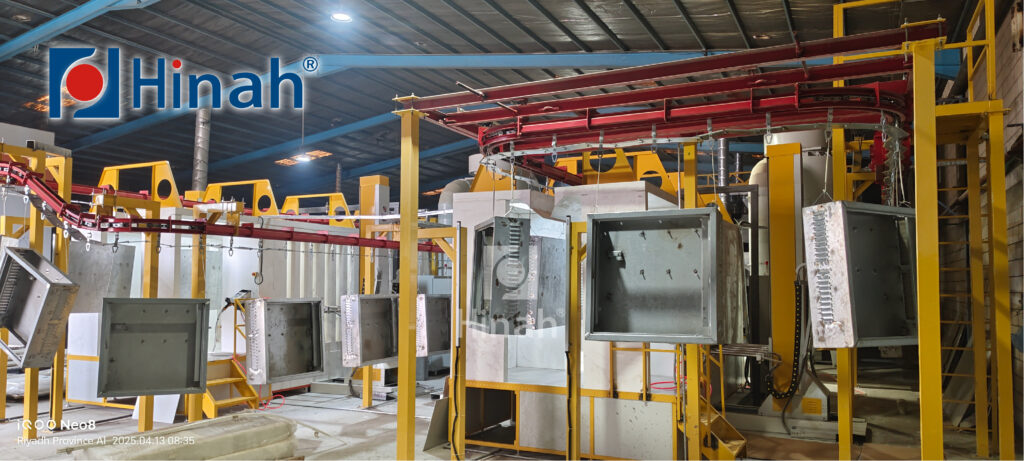
Insufficient Coating Adhesion: The Risk of Peeling and Chipping
A metal cabinet might look perfect right after baking, but the real test happens during transport, assembly, and daily use. Many powder coating line manufacturers face a critical issue where the cured powder layer lacks bonding strength. As a result, the coating easily peels, flakes, or chips off when workers install hinges or handle the panels.
This lack of adhesion completely destroys the protective barrier, leaving the raw steel vulnerable to quick rusting. Two main manufacturing mistakes cause this weak bond:
Incomplete Surface Chemical Cleaning: Powder coating requires a perfectly clean metal substrate to stick properly. During sheet metal processing, cabinets pick up heavy anti-rust oils, mill scale, and greasy fingerprints. If your pre-treatment washing stage leaves even a thin film of oil or chemical residue on the steel, the powder cannot fuse directly with the metal surface.
Improper Baking Profiles: To achieve full adhesion, the powder must melt, flow, and chemically cross-link at a specific temperature for a set time. Many operators look only at the air temperature gauge of the curing oven. If the heavy metal cabinet shell does not reach the required temperature, or if the line moves too fast through the oven, the powder remains under-cured. It looks dry, but it never forms a strong molecular bond with the substrate.