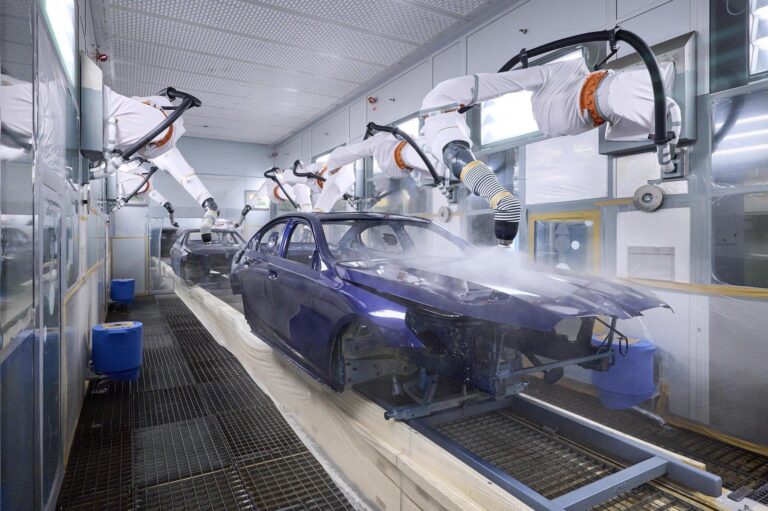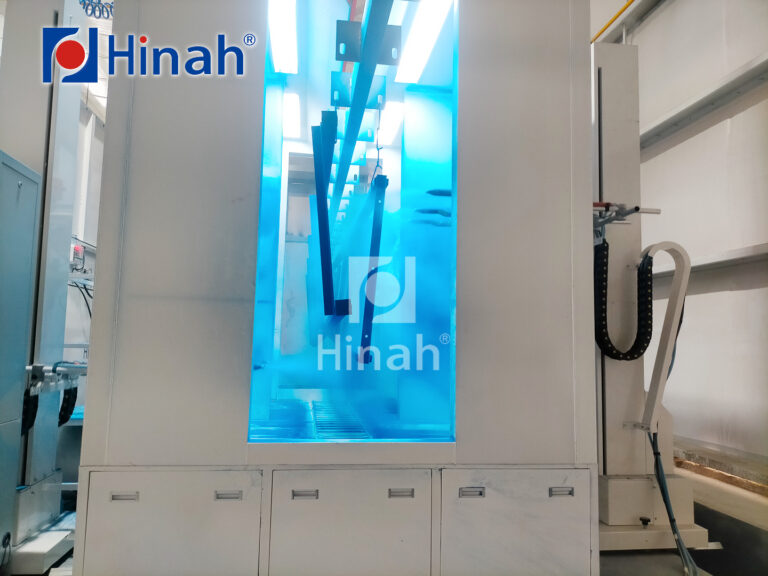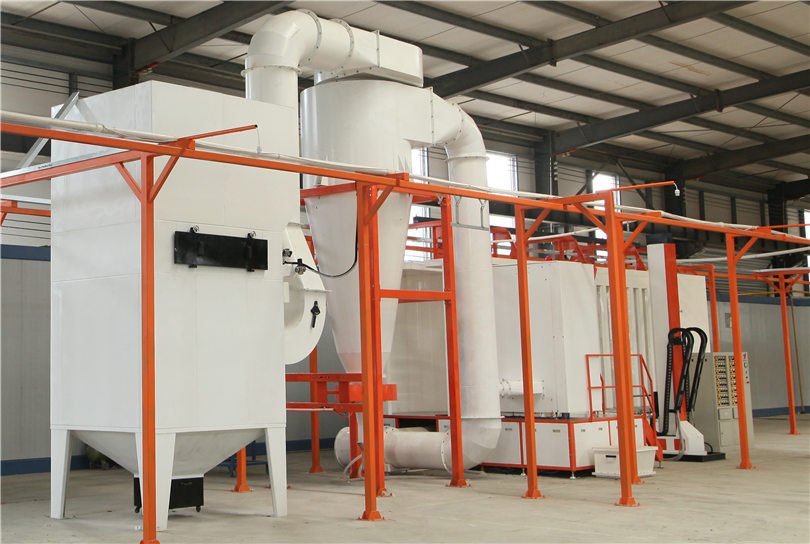

Choosing a coating line manufacturer is not simply about finding a company that can supply equipment. A coating line is a complete production system. Pretreatment, coating application, powder recovery, curing, cooling, and conveying all need to work together. A weak design in one section can affect the quality of the entire line. Therefore, a reliable supplier should understand your products, production requirements, coating process, and factory conditions before proposing a system.
The U.S. Environmental Protection Agency explains that a typical powder coating process includes pretreatment, coating application, and curing. Each stage has a specific role in achieving a quality finish. This is why the right supplier should focus on the complete process rather than individual machines.
A Reliable Coating Line Manufacturer Starts with Process Understanding
A good coating line begins with the product, not the equipment.
Before designing a system, an experienced coating line manufacturer should understand the workpiece material, dimensions, weight, surface condition, production volume, coating type, and required finish. The supplier should also ask how the parts will enter and leave the line.
These details affect almost every major design decision.
For example, large steel structures may need a different pretreatment and conveying method from small metal components. Long aluminum profiles may require special hanging arrangements and conveyor spacing. Parts with deep recesses may also need a different spraying strategy.
The Powder Coating Institute emphasizes that proper system design involves pretreatment, powder application, recovery, curing, and part conveyance.
Engineering Should Come Before Equipment Selection
A reliable supplier does not simply put standard machines together.
The engineering team should first define the process flow and then select equipment for each stage. This approach helps the entire line operate as one system.
Pretreatment is a good example. The Powder Coating Institute notes that surface preparation affects adhesion and corrosion resistance. It also identifies iron phosphate as a frequently used pretreatment for powder coating applications.
The curing oven requires the same level of attention. Powder Coating Institute states that proper curing depends on both metal temperature and time. Therefore, oven design should consider the actual workpiece mass, coating material, line speed, and required curing conditions.
A professional engineering process connects these factors instead of treating each machine as an independent unit.
Customization Matters for Different Production Lines
No two factories have exactly the same production conditions.
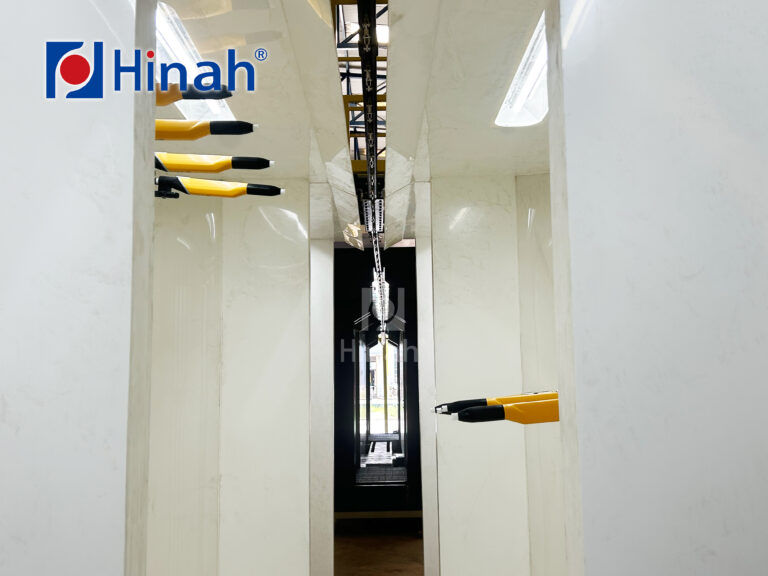
A reliable coating line manufacturer should be able to adjust the system according to the customer’s products and production targets. This may include conveyor configuration, booth dimensions, oven length, pretreatment stages, spray gun arrangement, powder recovery, hanger design, and automatic controls.
The conveyor is particularly important because it determines how parts move through the entire process. Poor hanger spacing or unsuitable conveyor speed can create problems in spraying, curing, and production flow.
For powder coating, PCI also points out that particle size distribution can influence fluidization, powder transport, deposition, transfer efficiency, and film smoothness. A well-designed line therefore needs to consider both the coating material and the equipment used to apply it.
Quality Control Should Be Part of the System
A coating line should produce consistent results, not just good results during initial testing.
A professional coating line manufacturer should consider temperature control, conveyor speed, pretreatment parameters, spray performance, powder recovery, and equipment maintenance during the design stage.
The curing process is especially important. EPA technical guidance notes that conventional powder curing commonly uses convection or infrared ovens, while curing conditions depend on factors such as temperature and time.
Testing should also continue after installation. Operators can check coating thickness, adhesion, appearance, curing, and other requirements based on the final application.
PCI recommends methods such as cross-hatch and tape testing for evaluating coating adhesion. These practical quality checks can help identify process problems before they become repeated production issues.
A Reliable Coating Line Manufacturer Provides Long-Term Support
The relationship should not end when the equipment arrives at the factory.
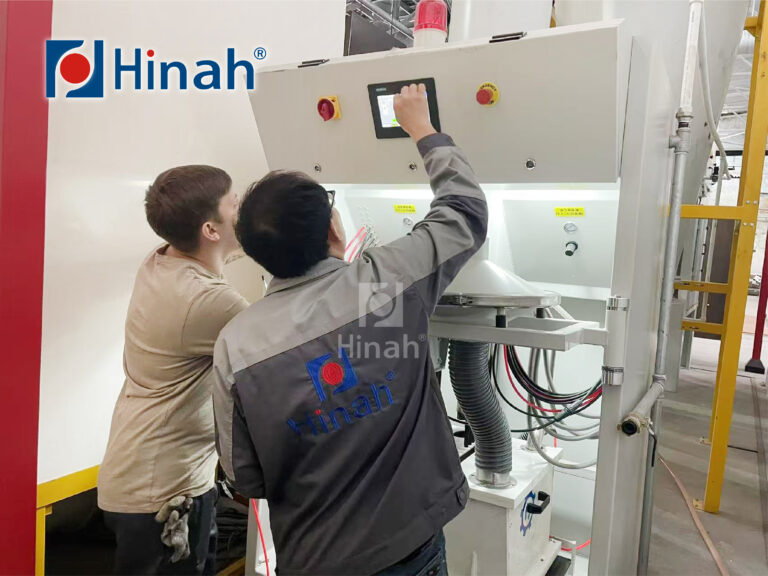
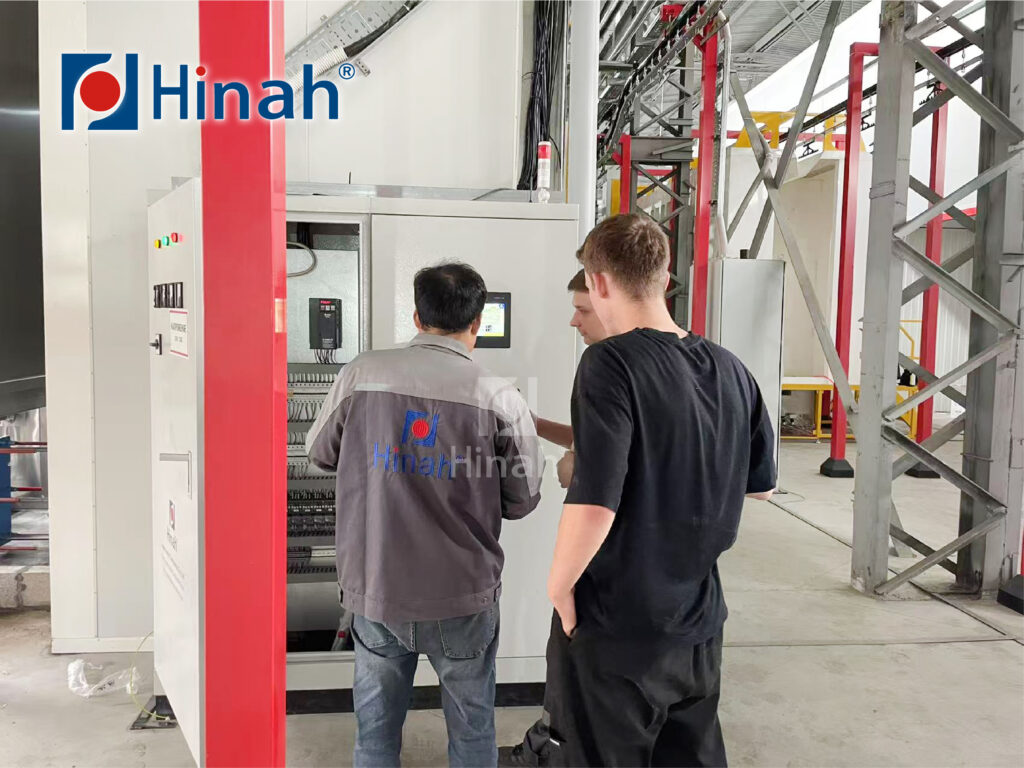
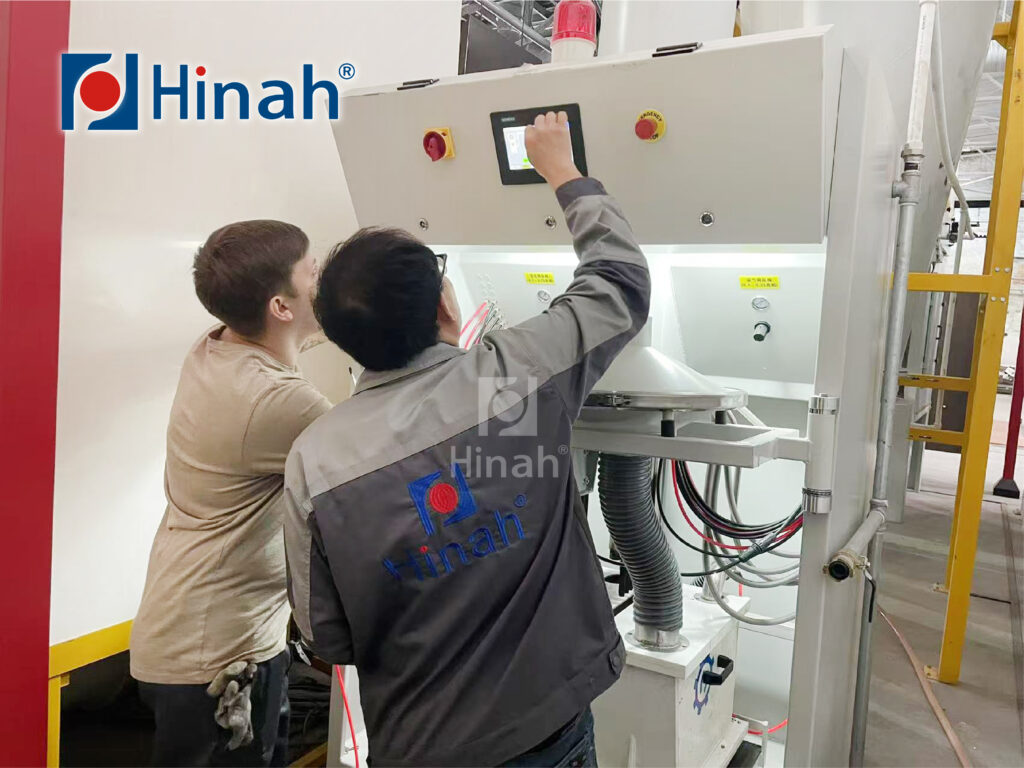
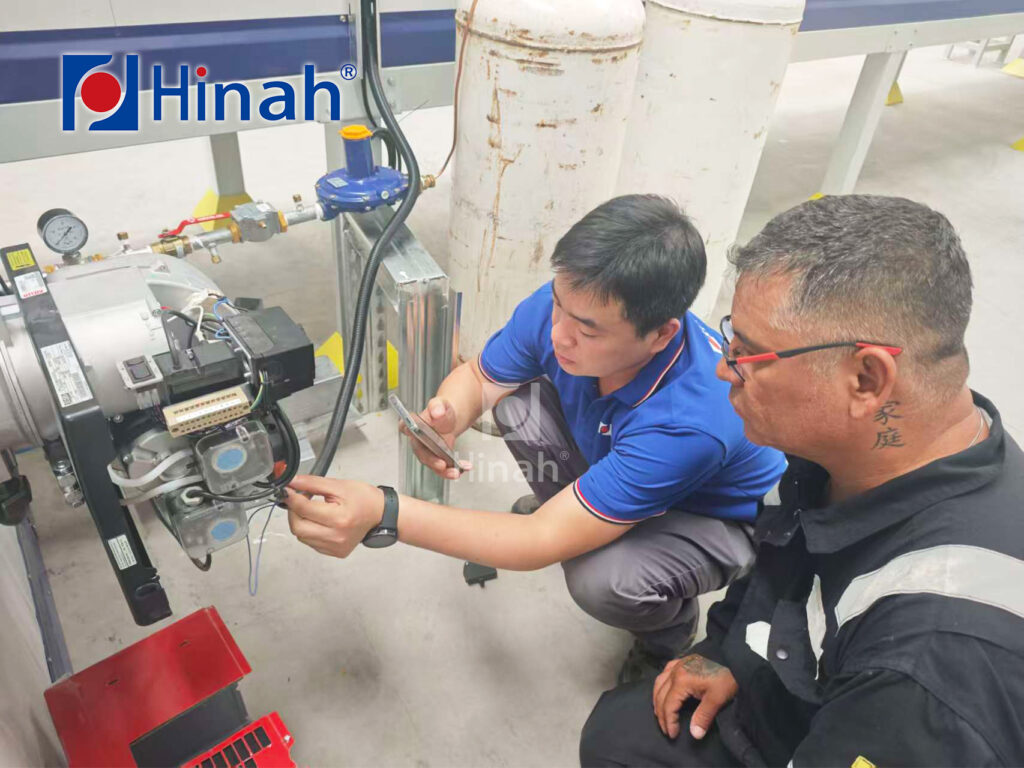
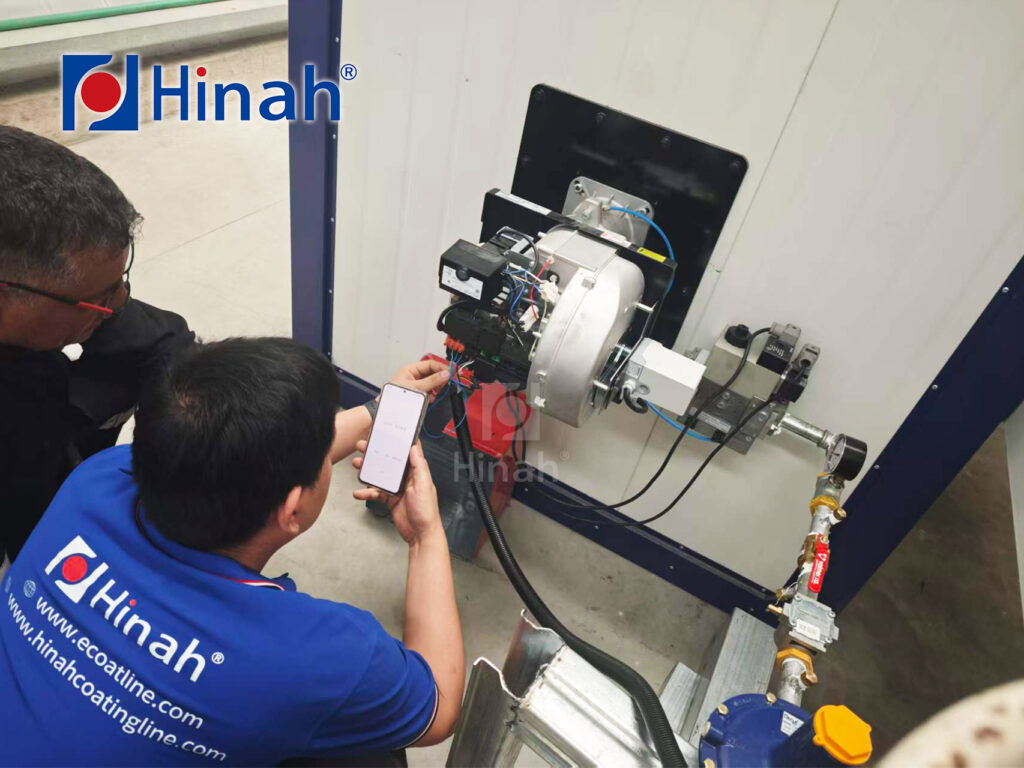
Installation guidance, commissioning, operator training, troubleshooting, spare parts, and technical support all affect how smoothly a coating line performs over time.
A reliable supplier should also provide clear technical documentation. Electrical drawings, equipment specifications, operating instructions, maintenance schedules, and recommended spare parts make it easier for the production team to operate and maintain the system.
This is particularly important for automated lines. When multiple machines communicate through a central control system, a problem in one section can affect the entire production flow. Good documentation helps technicians locate problems faster.
What Should You Ask a Coating Line Supplier?
Before making a final decision, ask several practical questions:
- Can the supplier design the complete coating process?
- Can the line handle your actual workpiece dimensions and weight?
- How will the pretreatment process be designed?
- How will the curing conditions be verified?
- What conveyor system fits the production flow?
- How does the powder recovery system work?
- What testing will be completed before shipment?
- What technical support is available after installation?
The answers can tell you much more than a product catalog.
Last Words
A reliable coating line manufacturer should bring together process knowledge, engineering capability, equipment integration, quality control, and technical support. The goal is not simply to install a series of machines. The goal is to create a coating system that matches the customer’s products and production requirements.
For powder coating applications, the connection between pretreatment, application, recovery, conveying, and curing is especially important. Industry guidance from EPA and the Powder Coating Institute confirms that each stage can influence the final coating result.
Therefore, when comparing a coating line manufacturer, look beyond the equipment list. Pay attention to how the supplier approaches engineering, process design, testing, commissioning, and long-term technical support. That is where the difference between an equipment seller and a reliable project partner becomes clear.