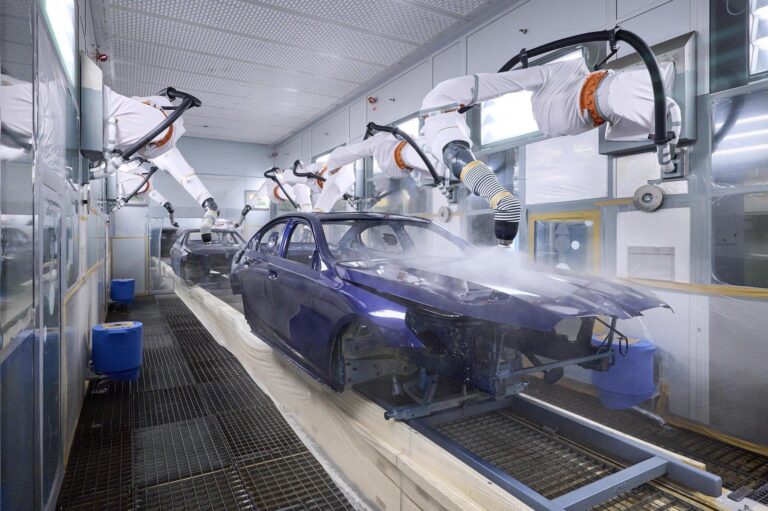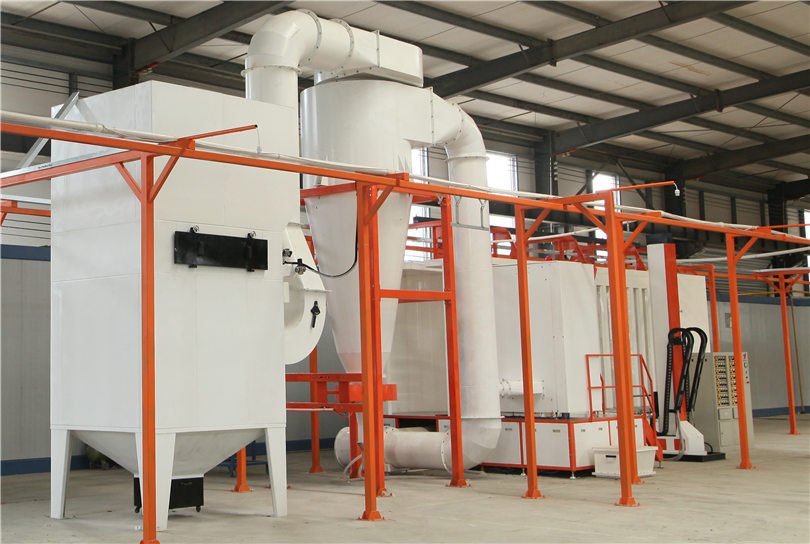

Choosing the right powder coating line is not just about output capacity or automation level. In many factories, the real constraint comes from the layout itself—ceiling height, floor space, and the way parts move through the workshop. As manufacturers deal with larger, flatter, and more delicate workpieces, traditional hanging lines are not always the most practical option. This is where horizontal powder coating becomes part of the conversation. Before investing in new equipment, it is worth taking a closer look at how your factory layout influences coating stability, space utilization, and long-term production efficiency.
Factory Layout Conditions Where Horizontal Powder Coating Works Best
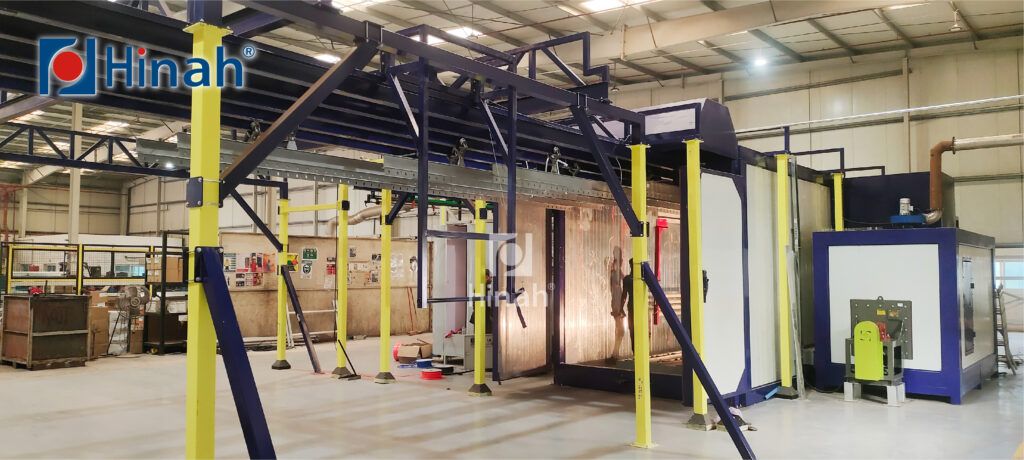
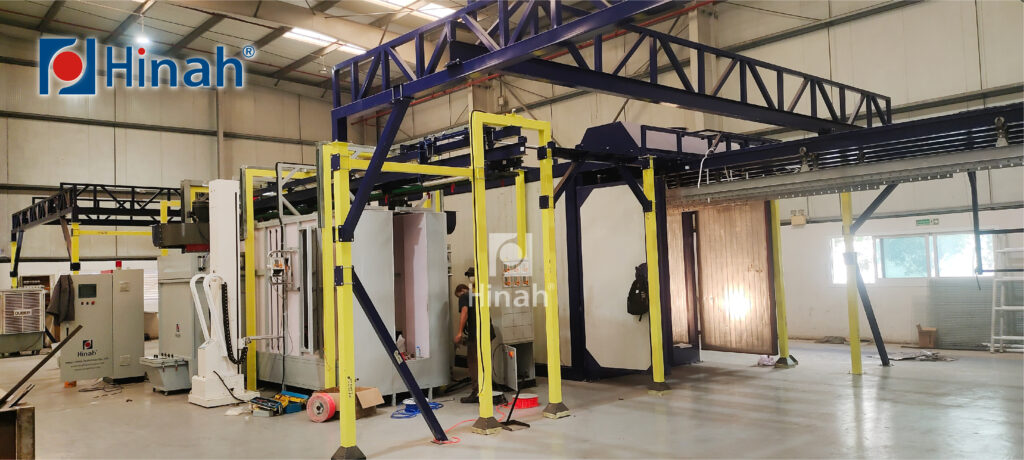
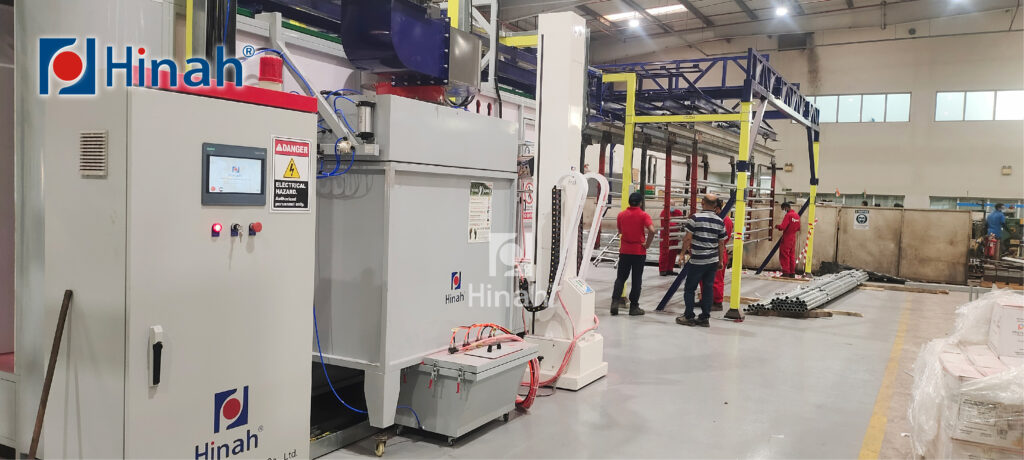
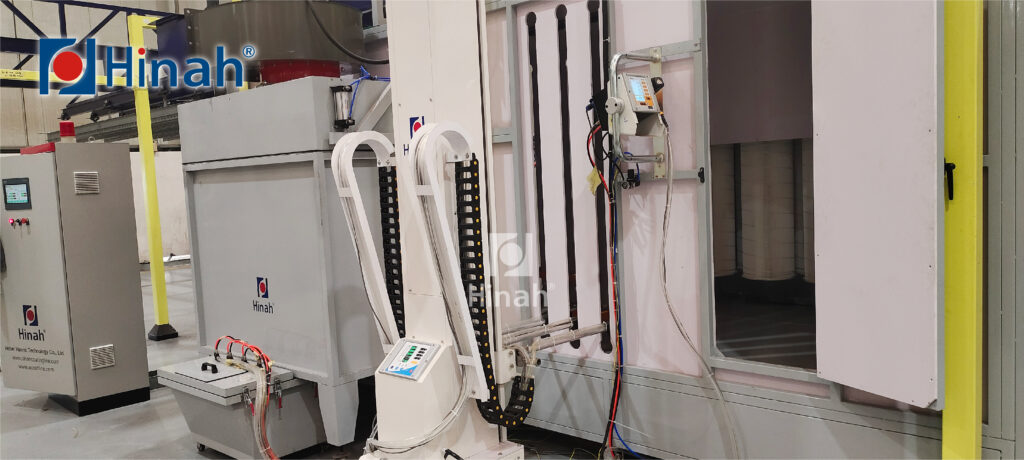
Factory layout suitability is not an abstract concept—it can be evaluated by looking at how parts move, how much vertical clearance is available, and how stable the workpieces must remain during coating. In facilities where ceiling height is limited, overhead conveyors often force compromises in line speed, oven design, or maintenance access. A horizontal powder coating line eliminates these constraints by keeping the entire process at floor level, making it easier to plan spray booths, curing ovens, and inspection zones within a fixed building envelope.
This configuration becomes especially practical when handling long panels, wide sheets, or thin components that tend to flex or shift when hung. By supporting the workpieces throughout the coating process, horizontal systems reduce movement-related defects and help maintain consistent film thickness across flat surfaces. From a layout perspective, factories that can allocate uninterrupted floor length—rather than vertical space—gain more predictable material flow, simpler line integration, and greater control over coating stability.
When Horizontal Powder Coating May Not Be the Best Choice
While horizontal systems solve many layout-related challenges, they are not the right answer for every factory. Operations with highly mixed production and frequent product changeovers may find horizontal lines less flexible, especially when part dimensions vary significantly within short runs. In these cases, hanging systems can handle a wider range of geometries with fewer adjustments to conveyors and support fixtures.
Production goals also matter. Facilities focused on maximizing throughput for small or medium-sized parts often benefit from gravity-assisted hanging, which allows higher line density and faster cycle times. If floor space is limited but vertical clearance is available, vertical coating lines can achieve greater output within a smaller footprint. Understanding these trade-offs helps you avoid selecting a system that fits the building, but not the production strategy.
Key Questions to Ask Before Choosing a Horizontal Powder Coating Line
Before investing in a horizontal powder coating system, you should take a close look at your factory constraints and production goals. Key questions include: What are the maximum dimensions and weight of the workpieces you need to coat? How much uninterrupted floor space can be allocated to the line, and does it allow for linear workflow from pretreatment to curing? What level of automation, repeatable quality, and throughput is required for your operations? By answering these questions, you can determine whether a horizontal setup fits both your factory layout and long-term production strategy, and identify potential challenges before committing to equipment.